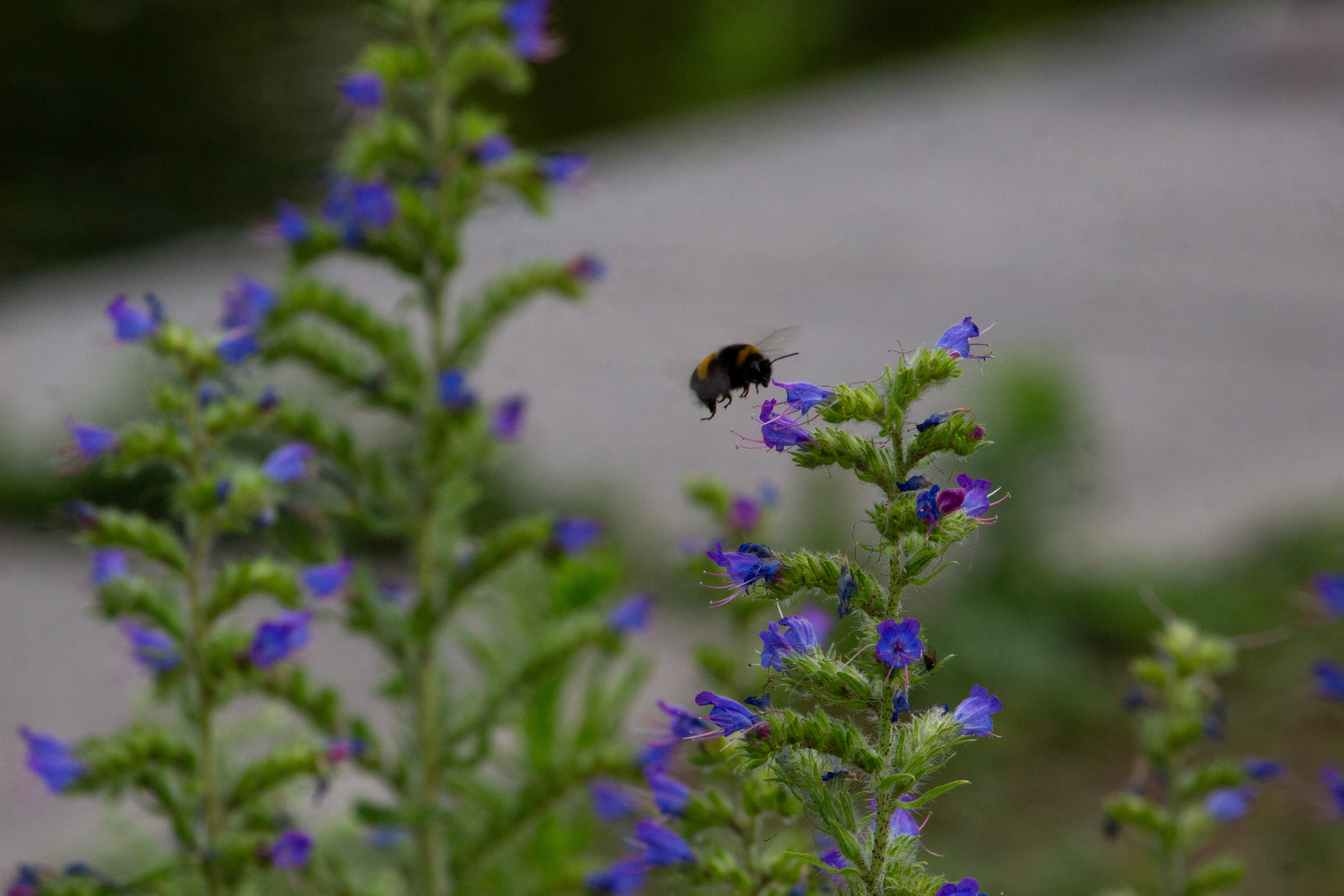
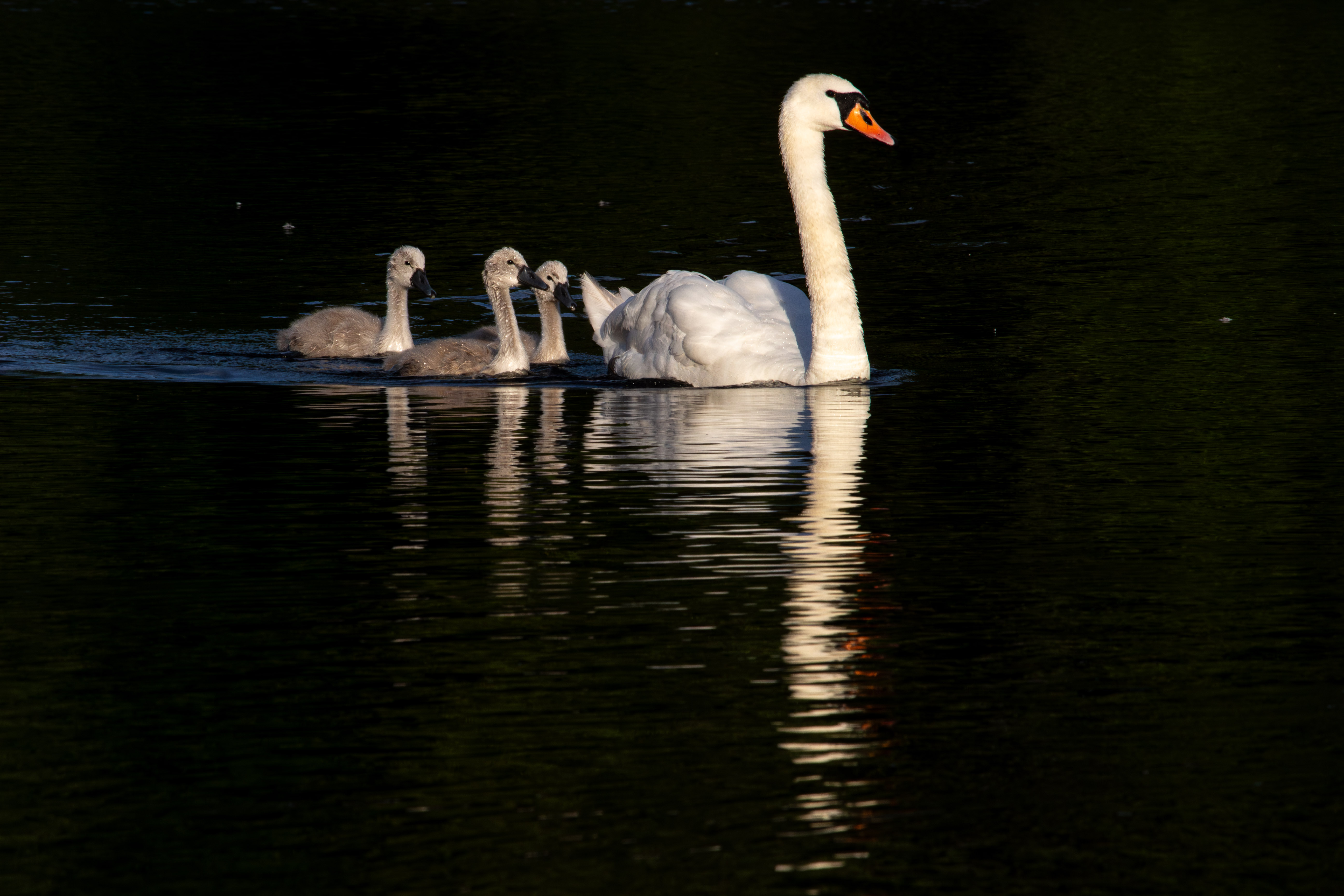
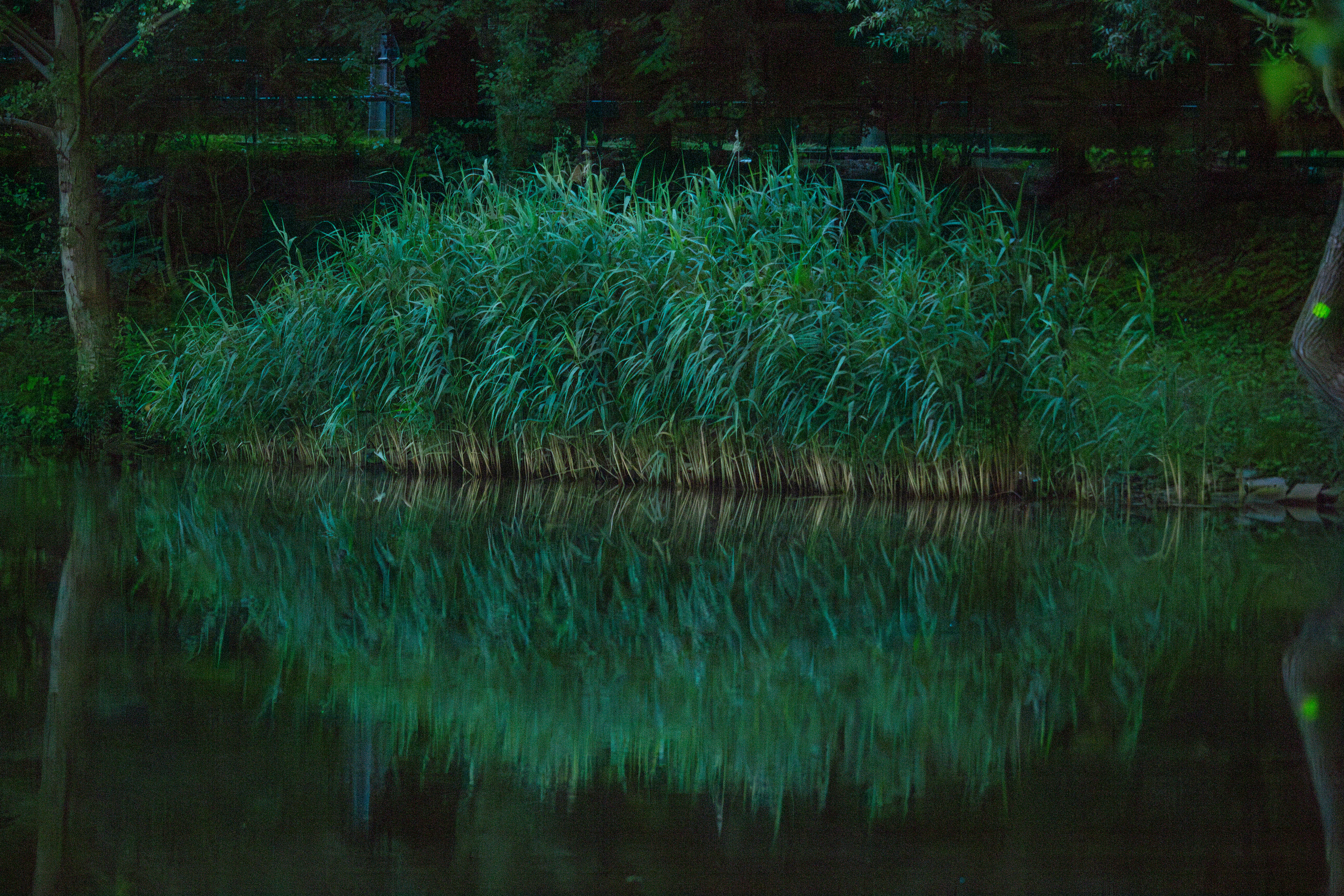
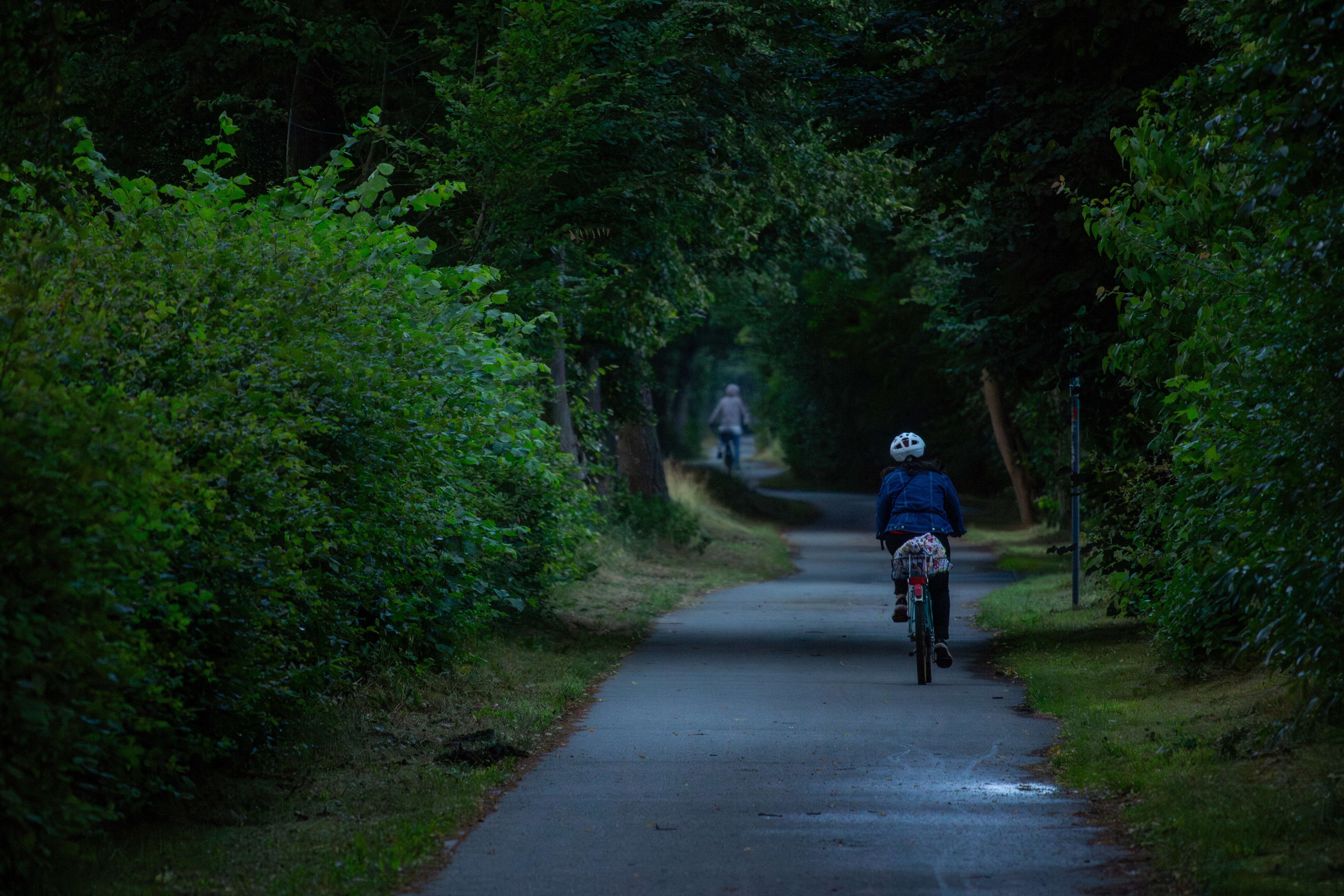
Canon EF-S 55-250mm f/4-5.6 IS STM
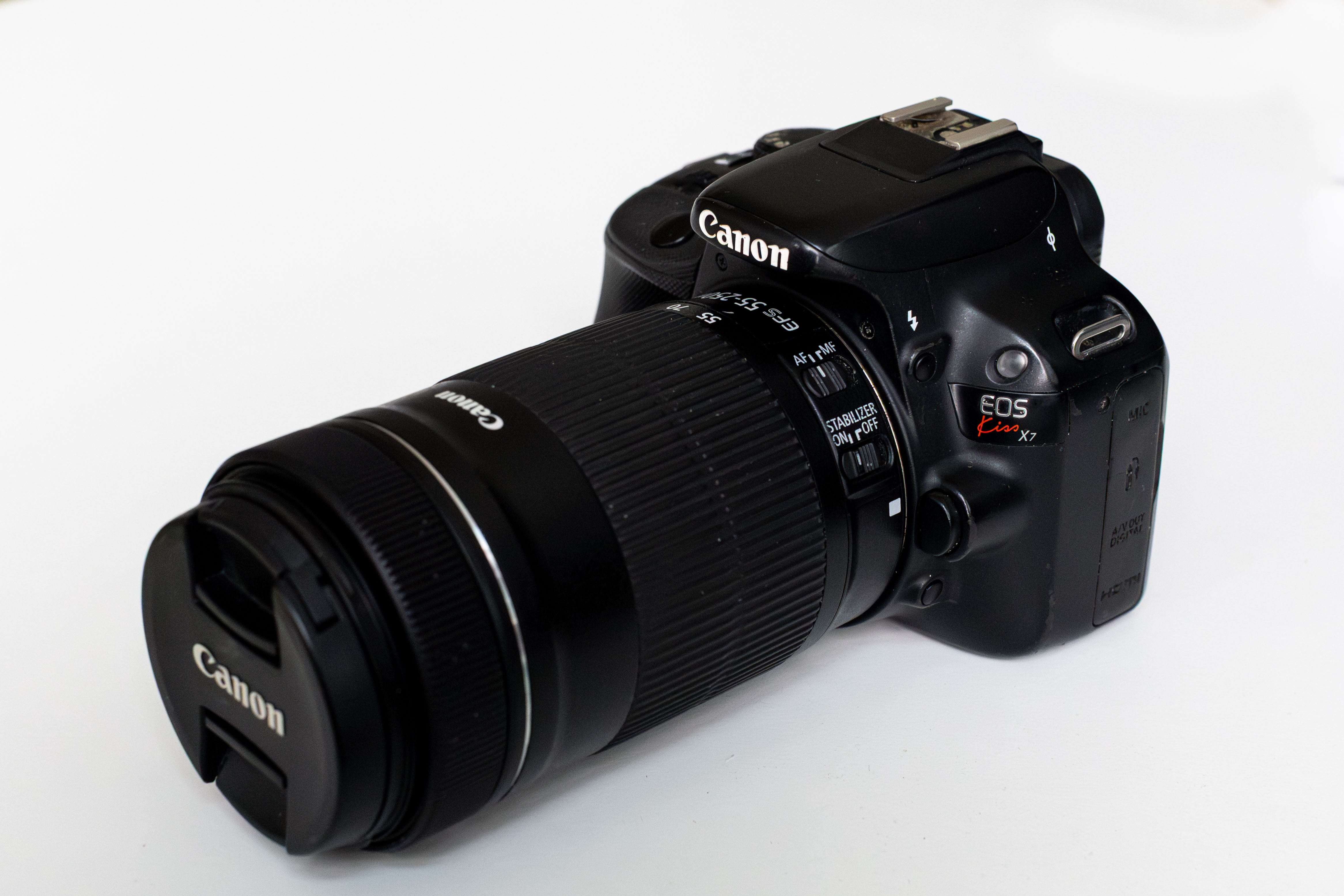
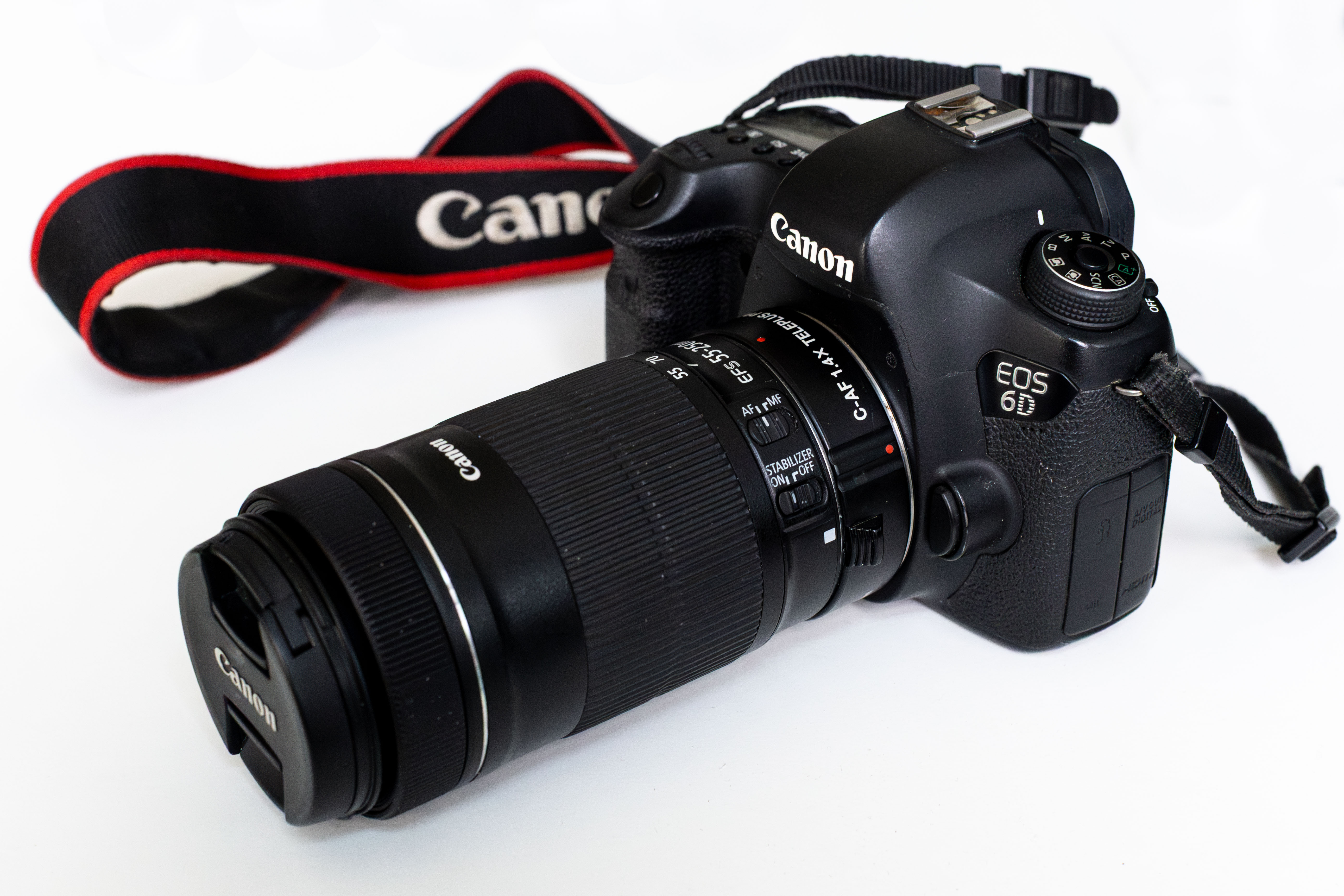
This lens performs well not only on crop sensors, but, if you want, also on full-frame cameras.
At a moderate price of around €300 (or €150 on the used market), it’s an excellent choice for getting started with long-focal-length shooting.
I originally bought it as my first telephoto lens specifically for sailing on a yacht and using it with the Canon 6D.
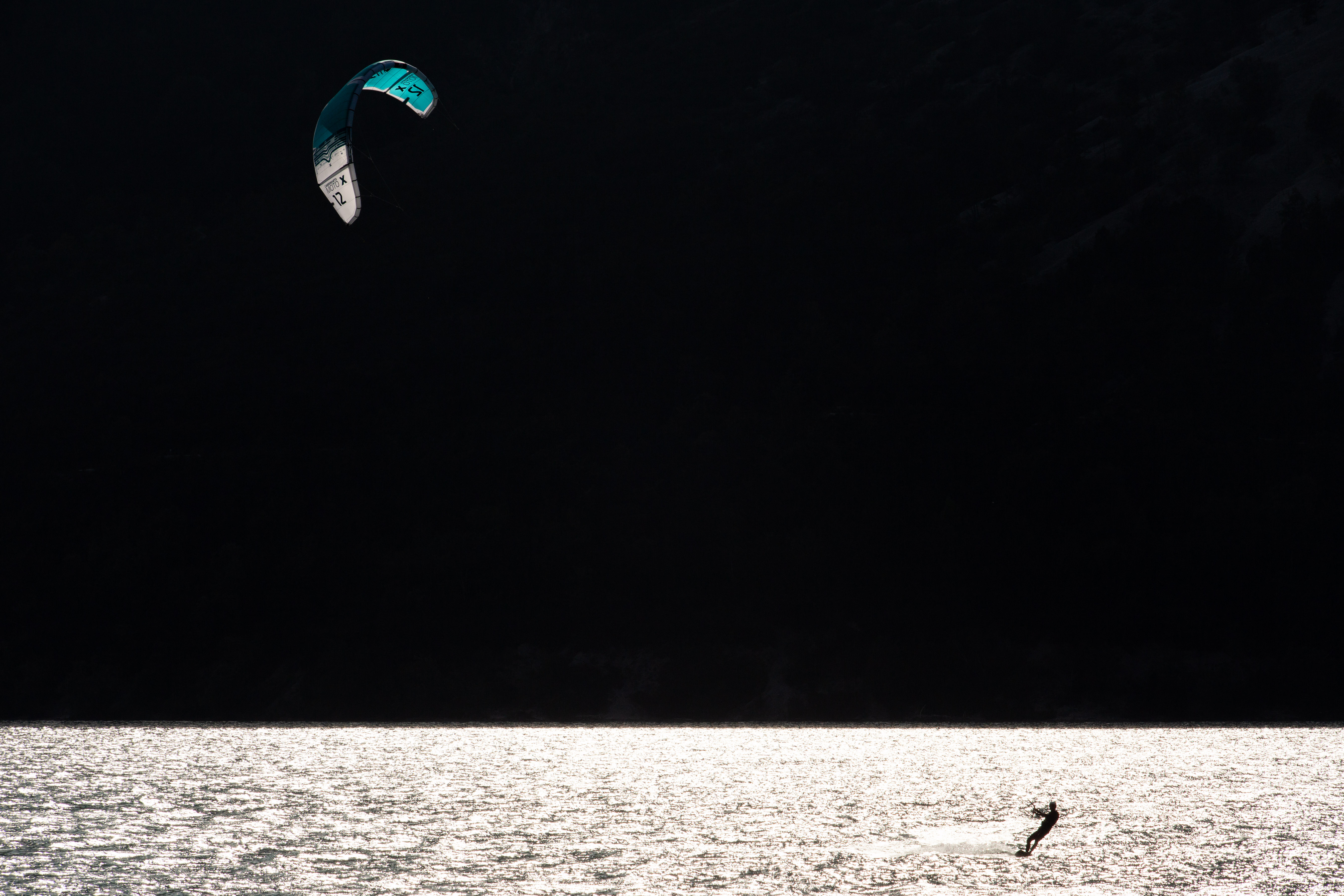
Objects on the shore are usually quite far from the boat, and during the day there’s more than enough light at sea even for a relatively slow (“dark”) lens.
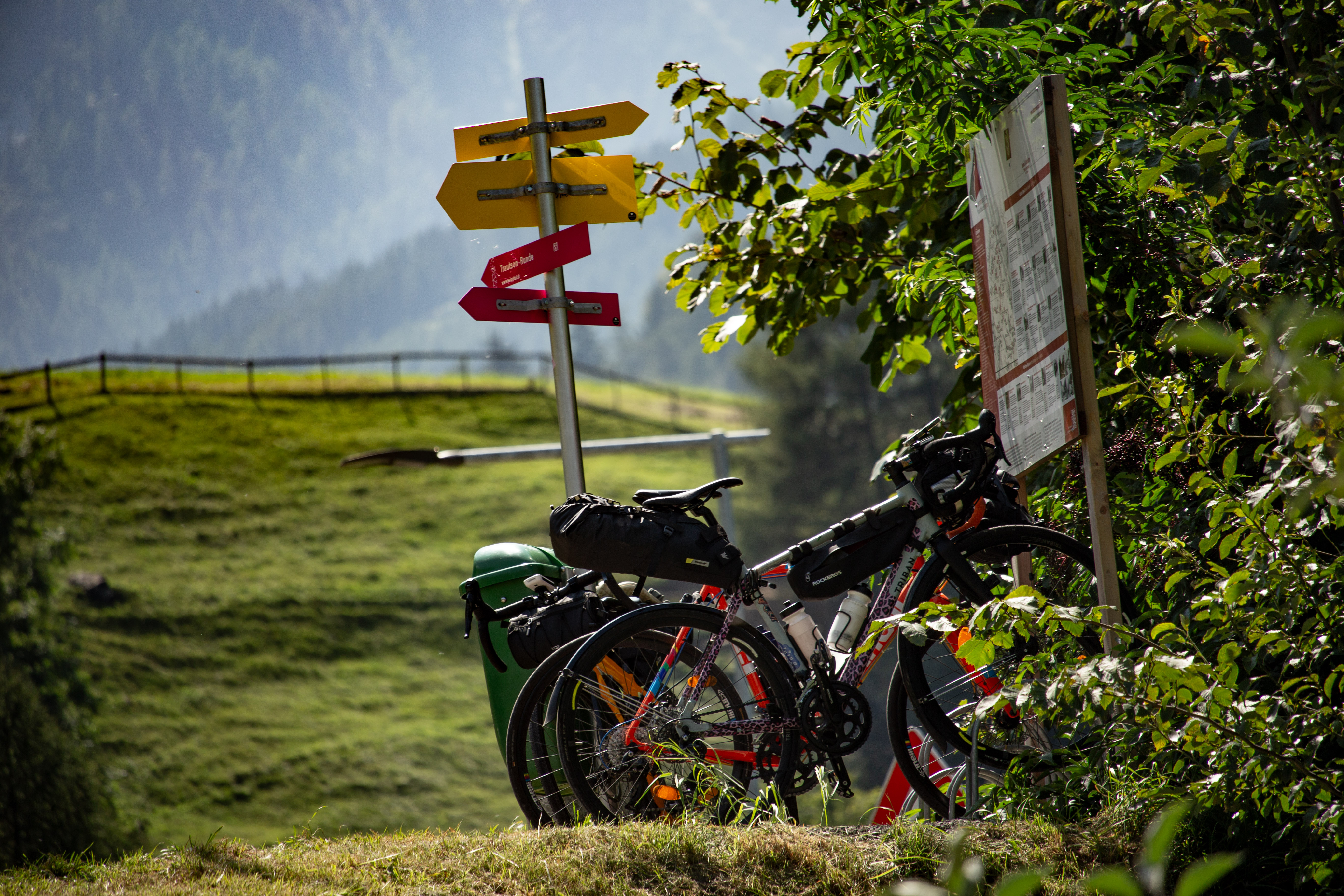
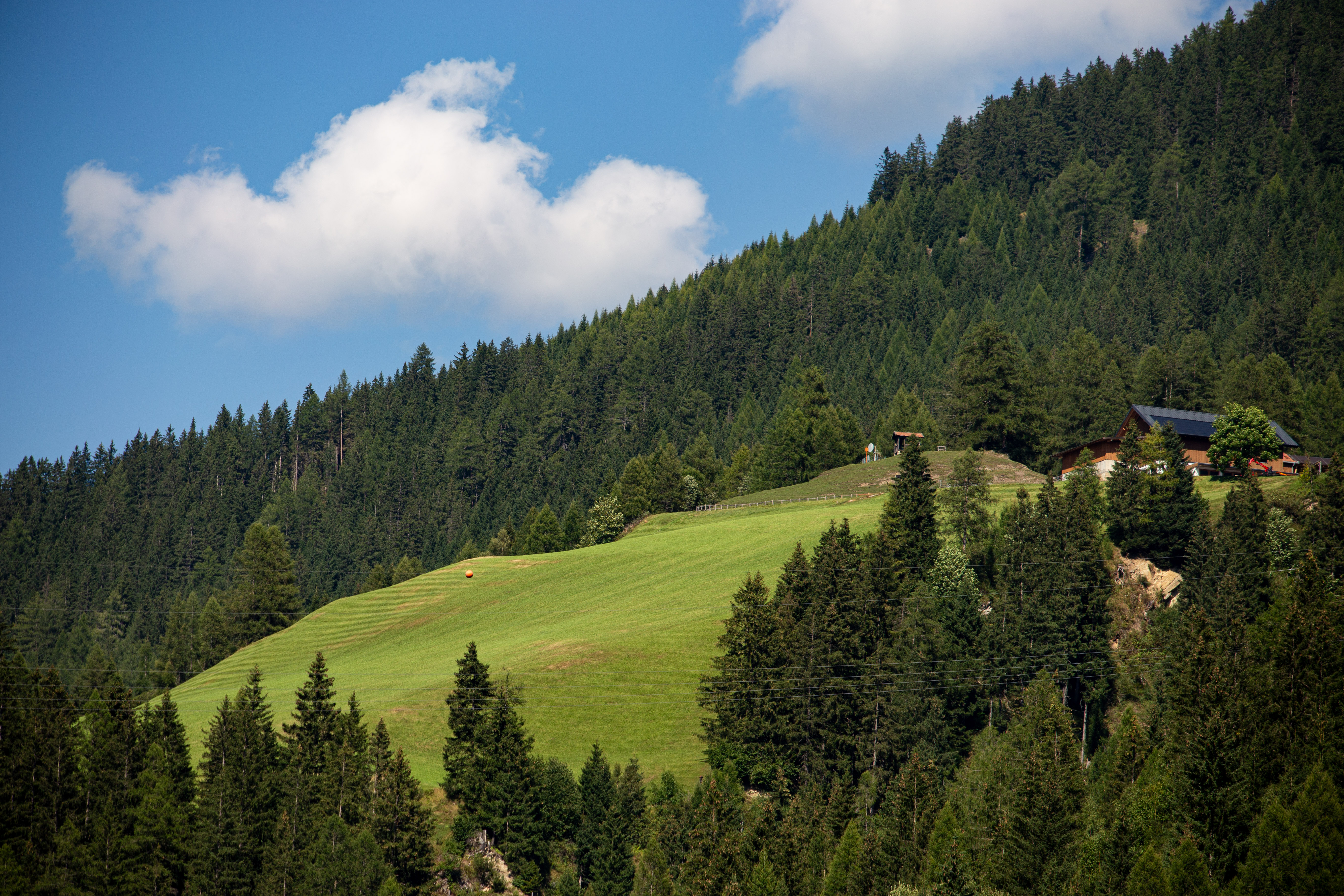
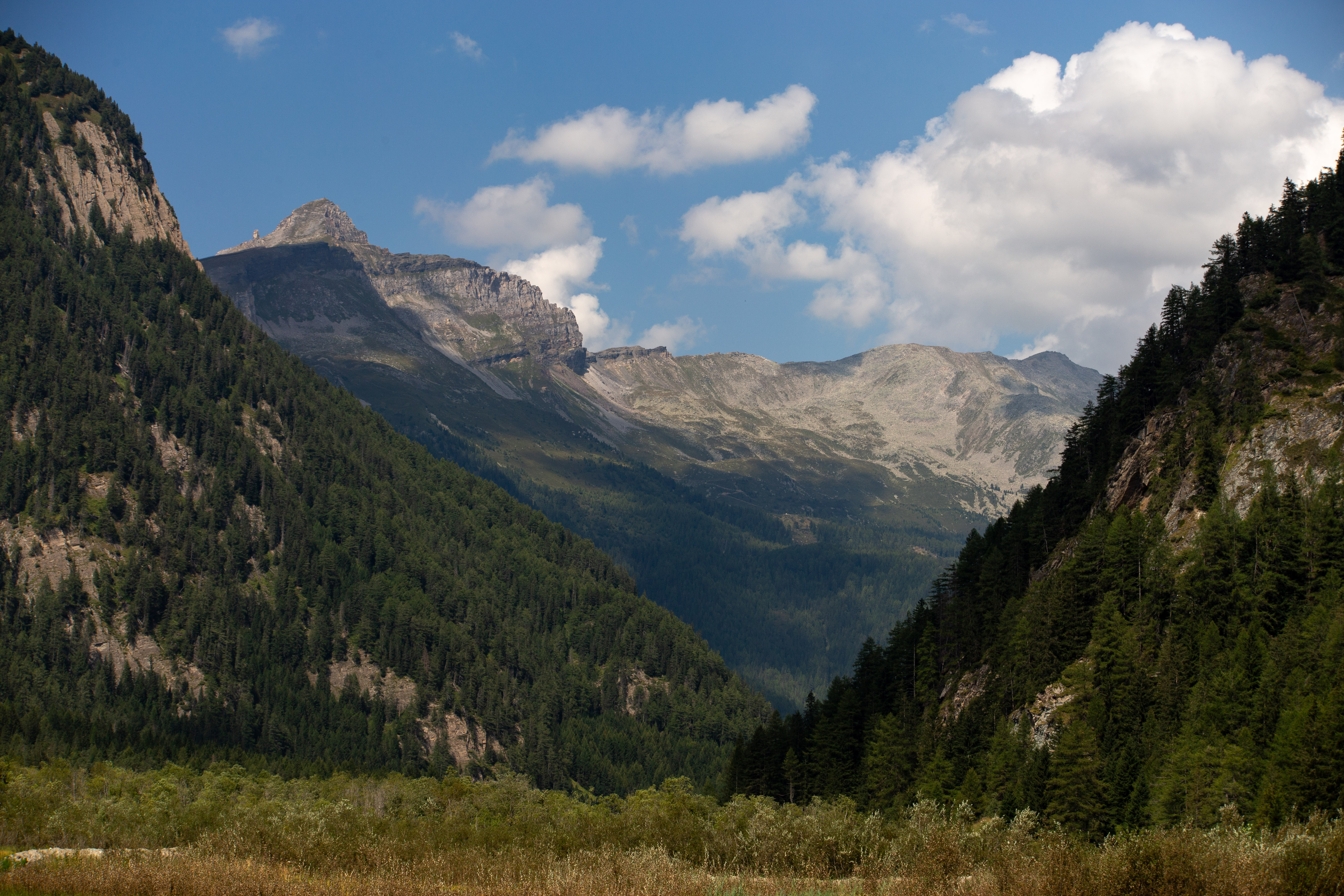
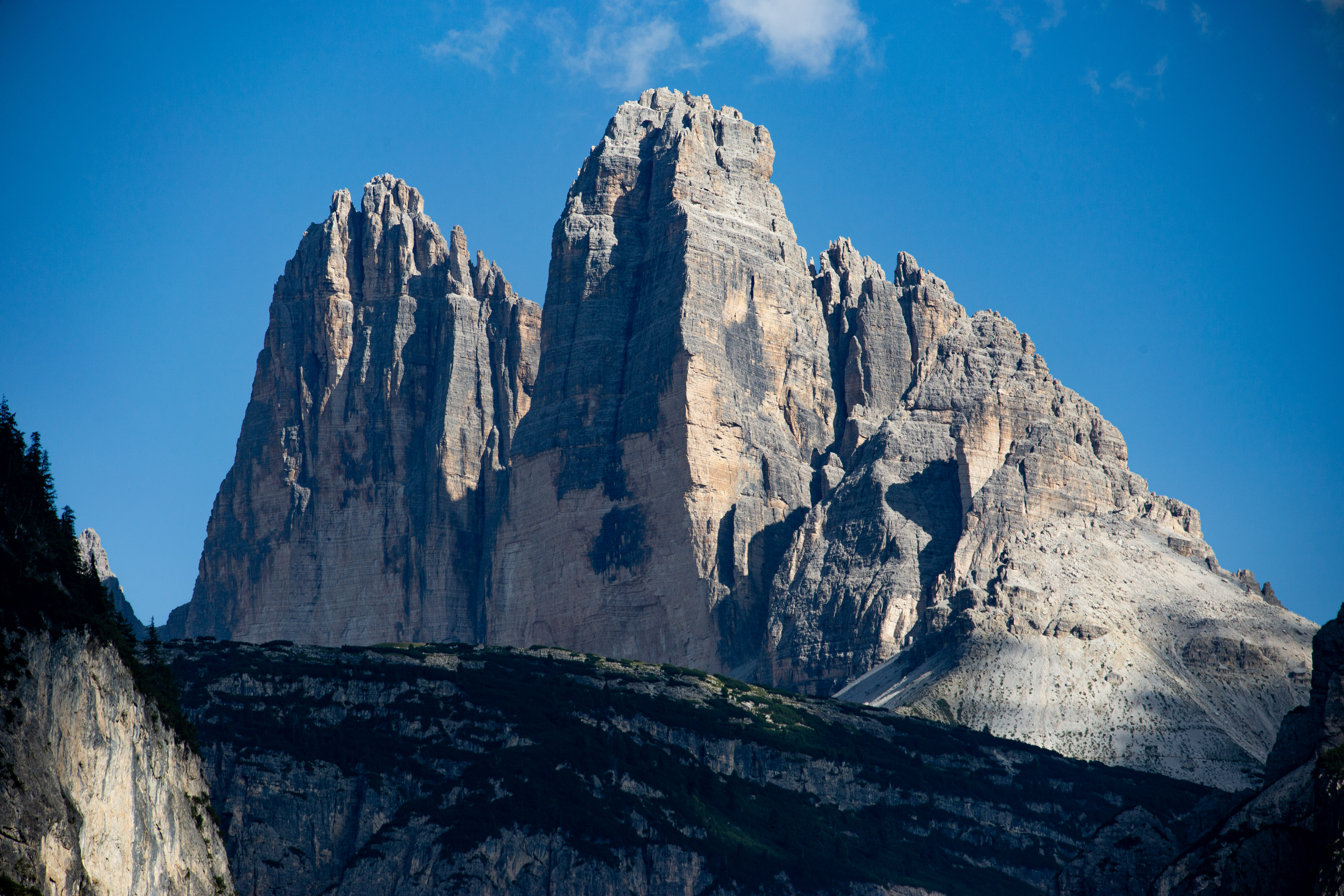
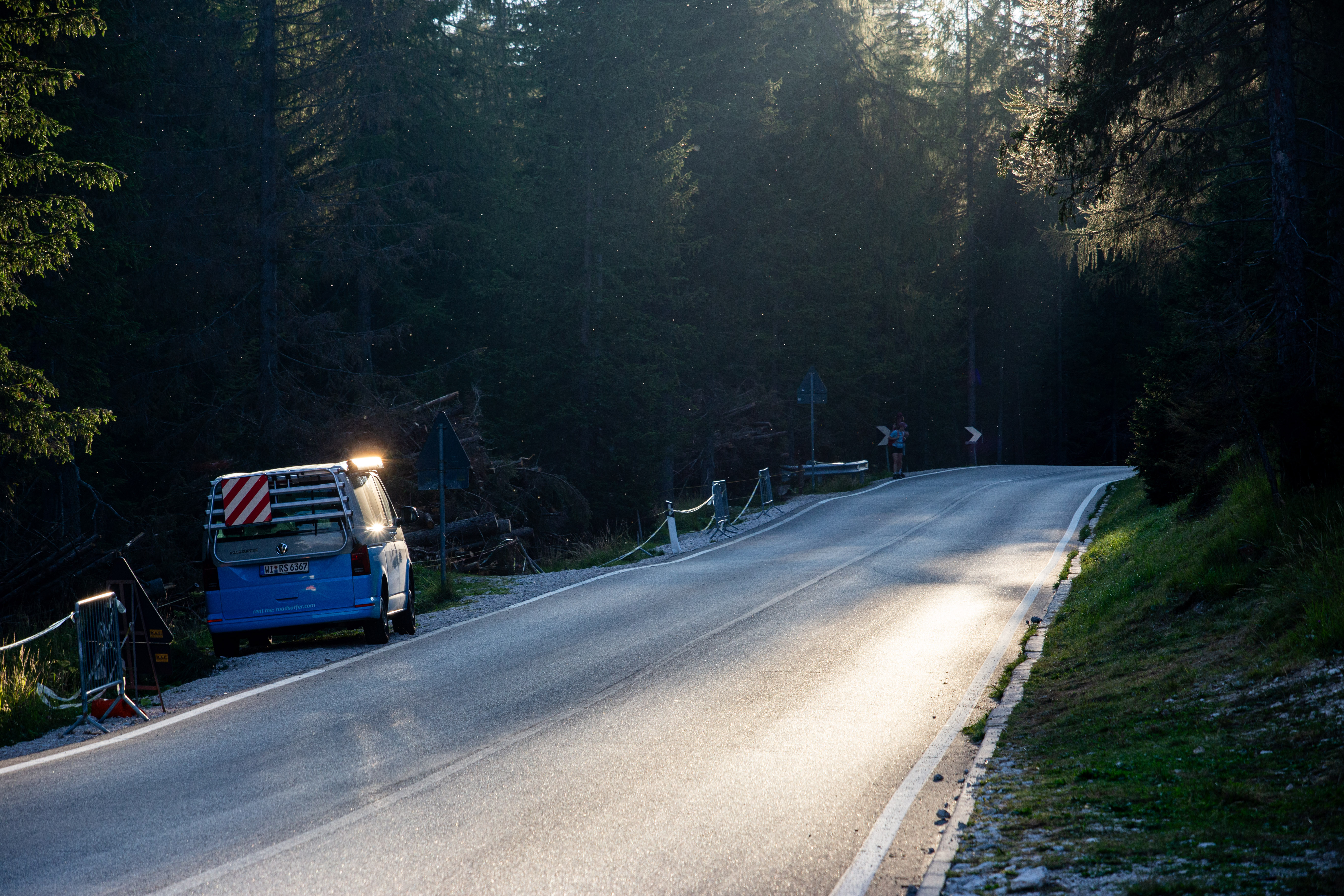
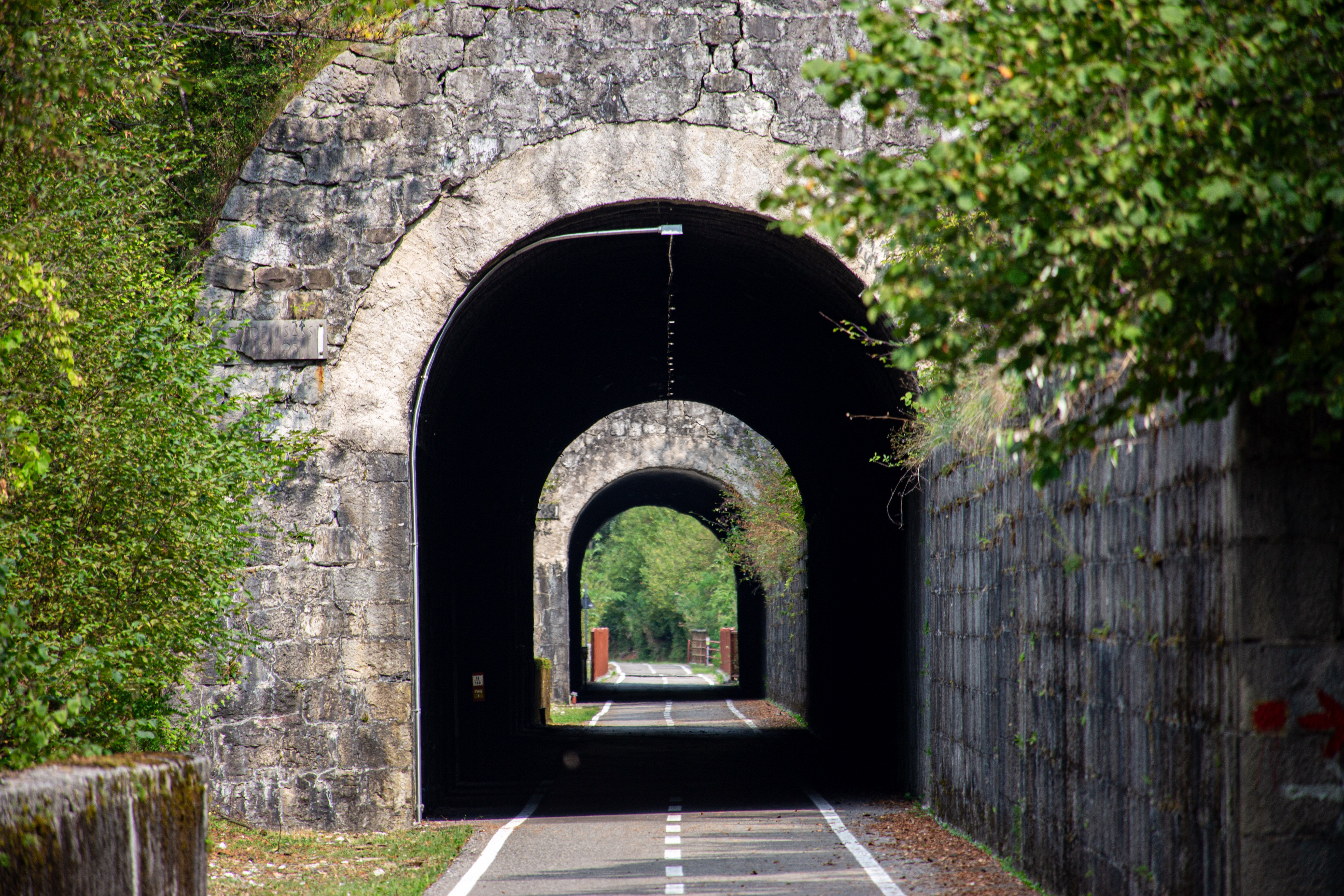
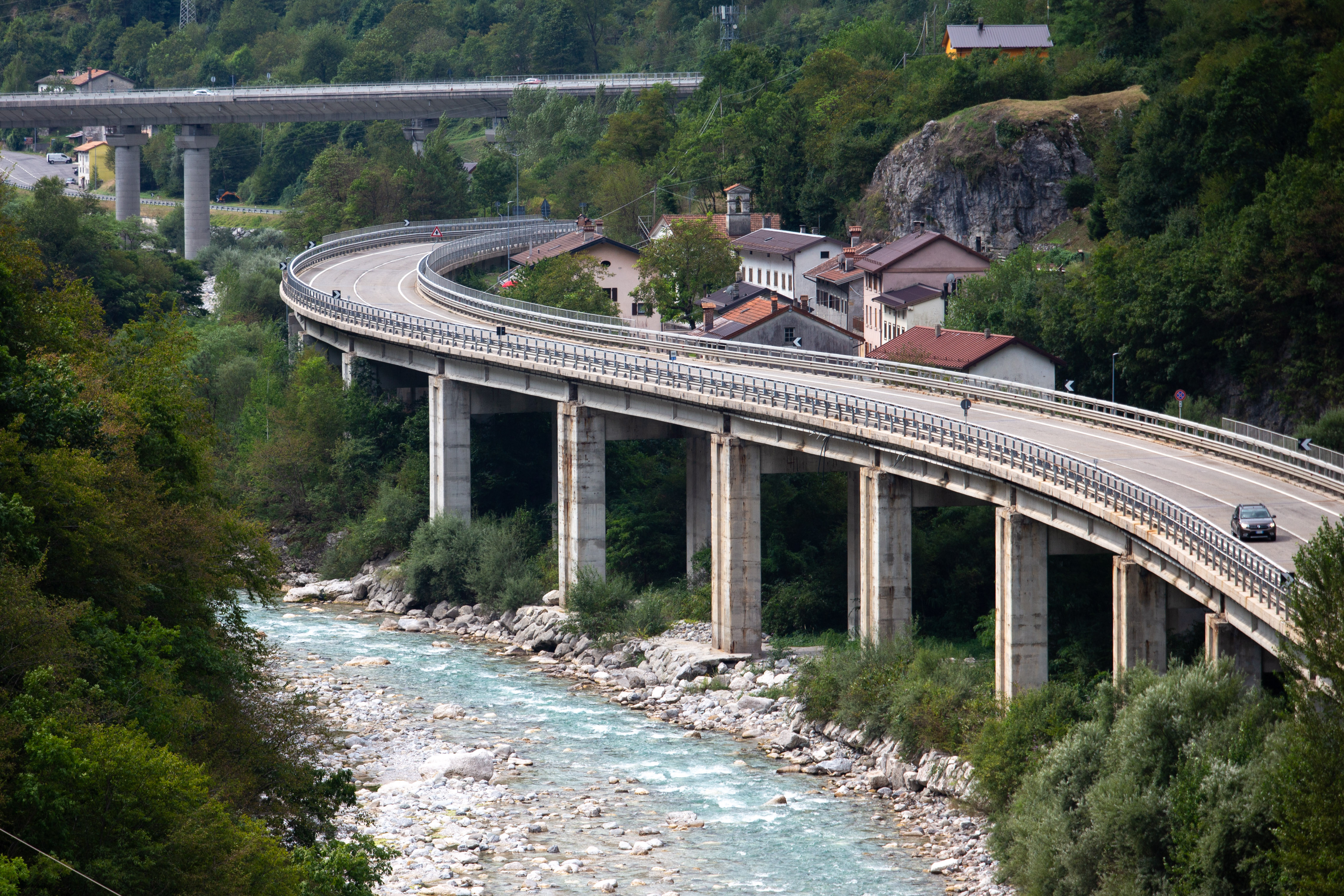
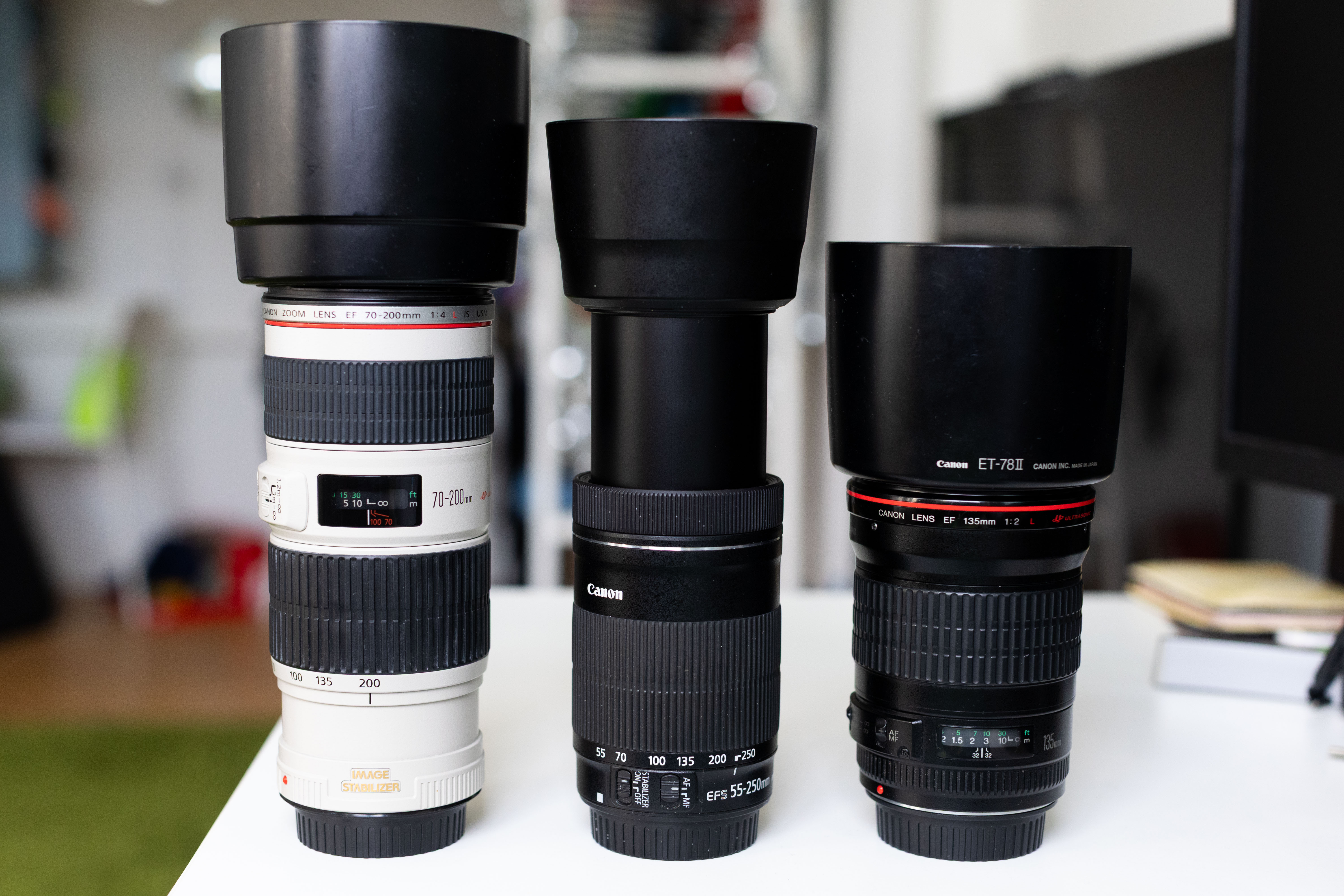
The lens is compact (11 cm long) and lightweight (375 g), which makes it very convenient for travel. I’ve used it while cycling in the mountains.
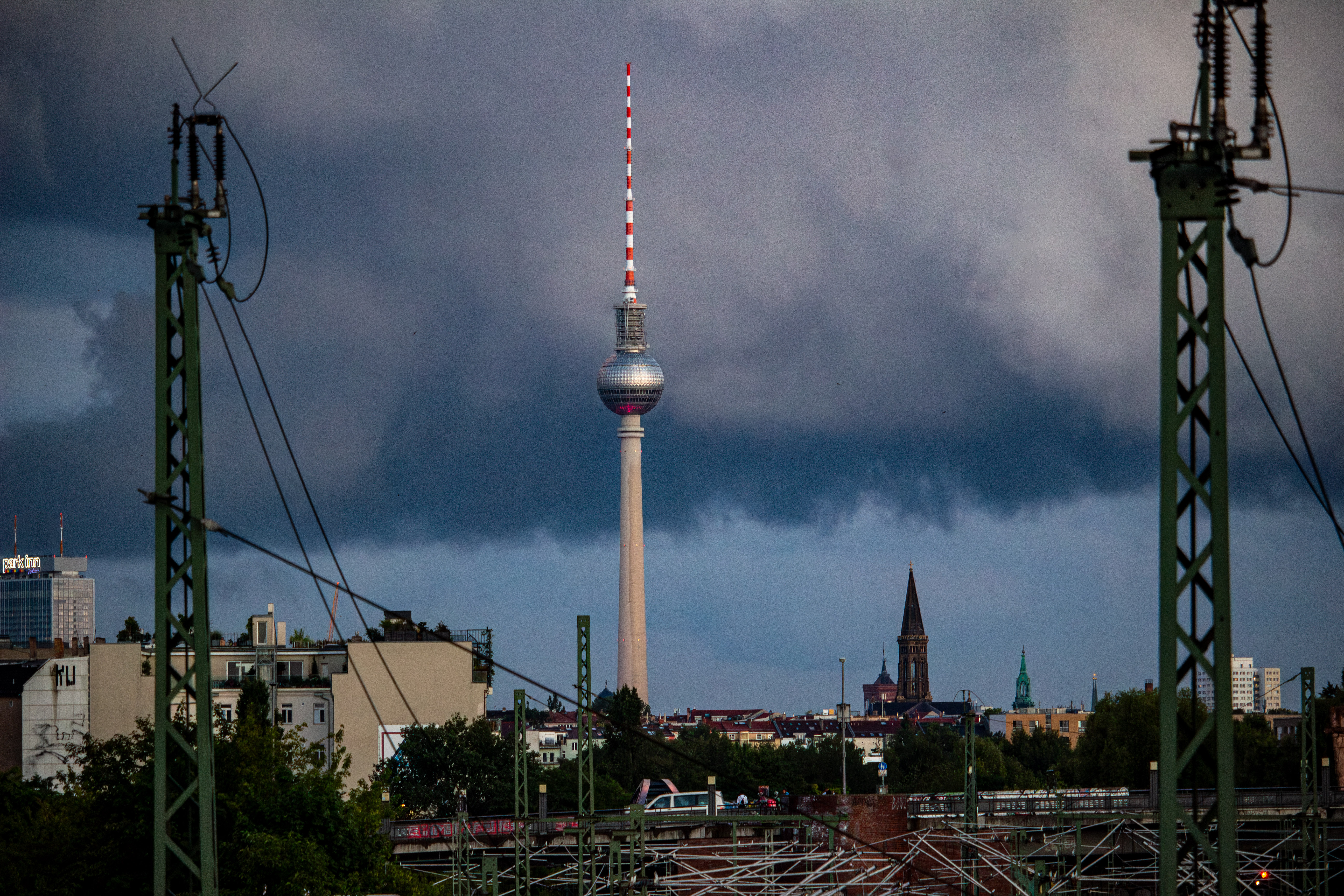
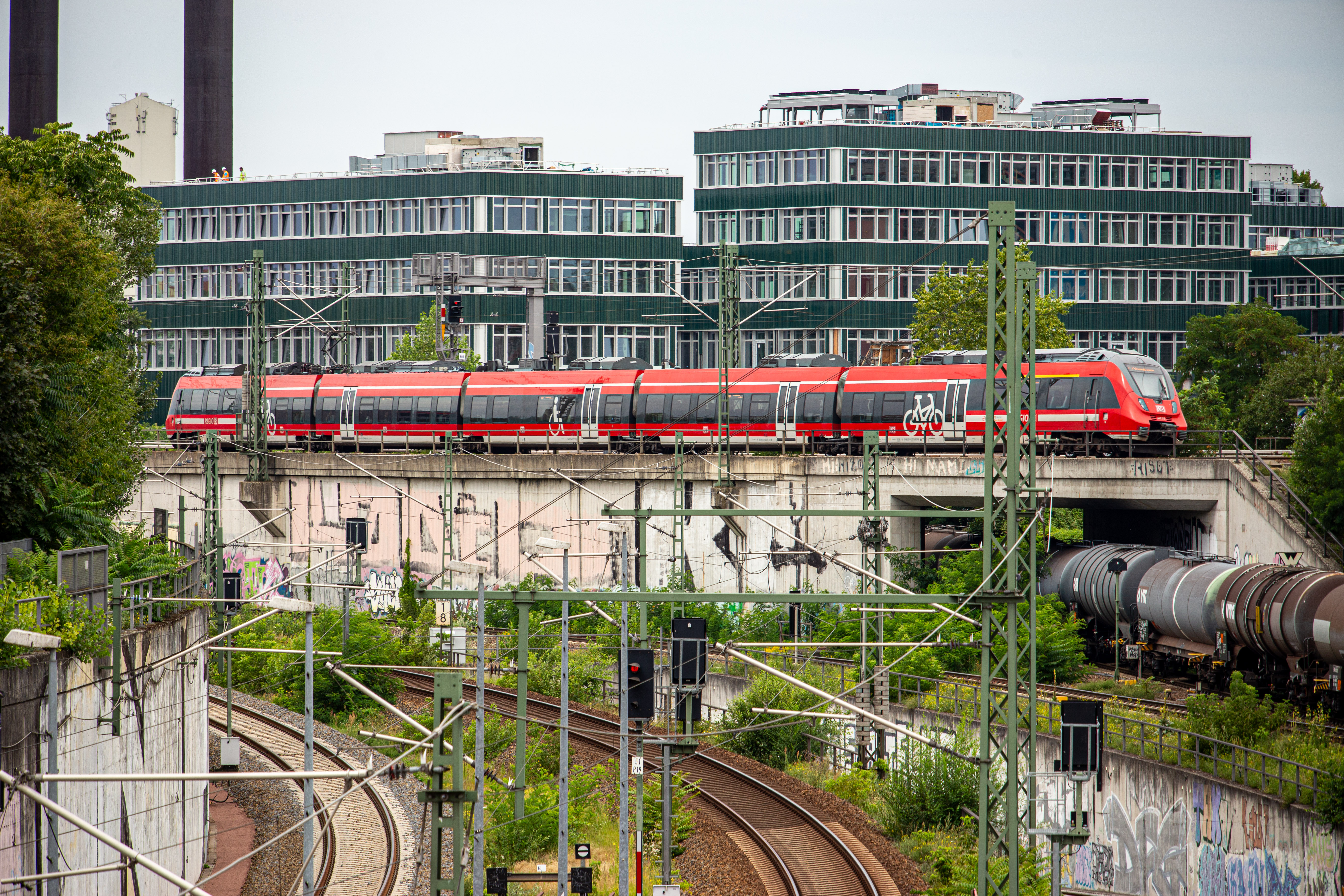
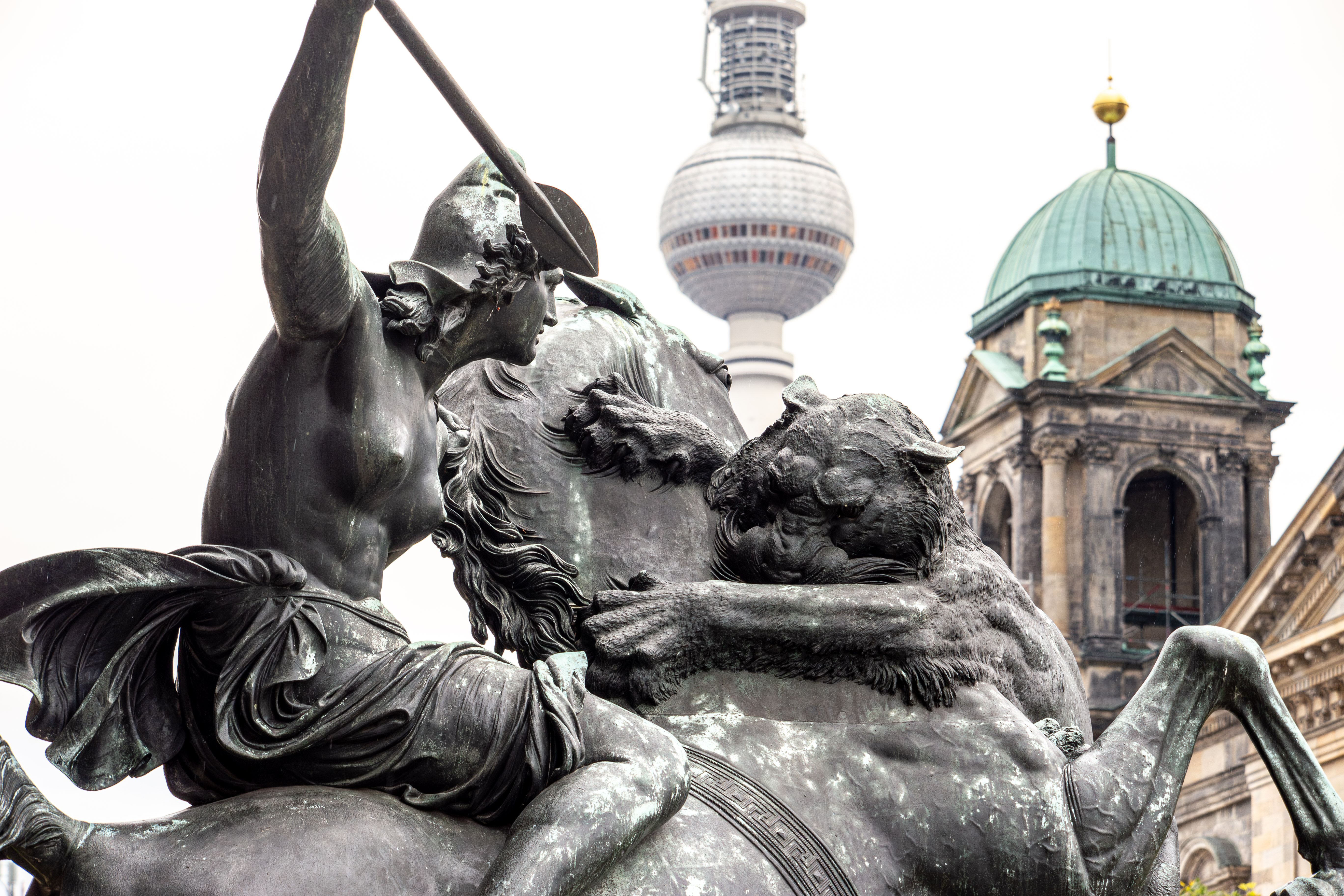
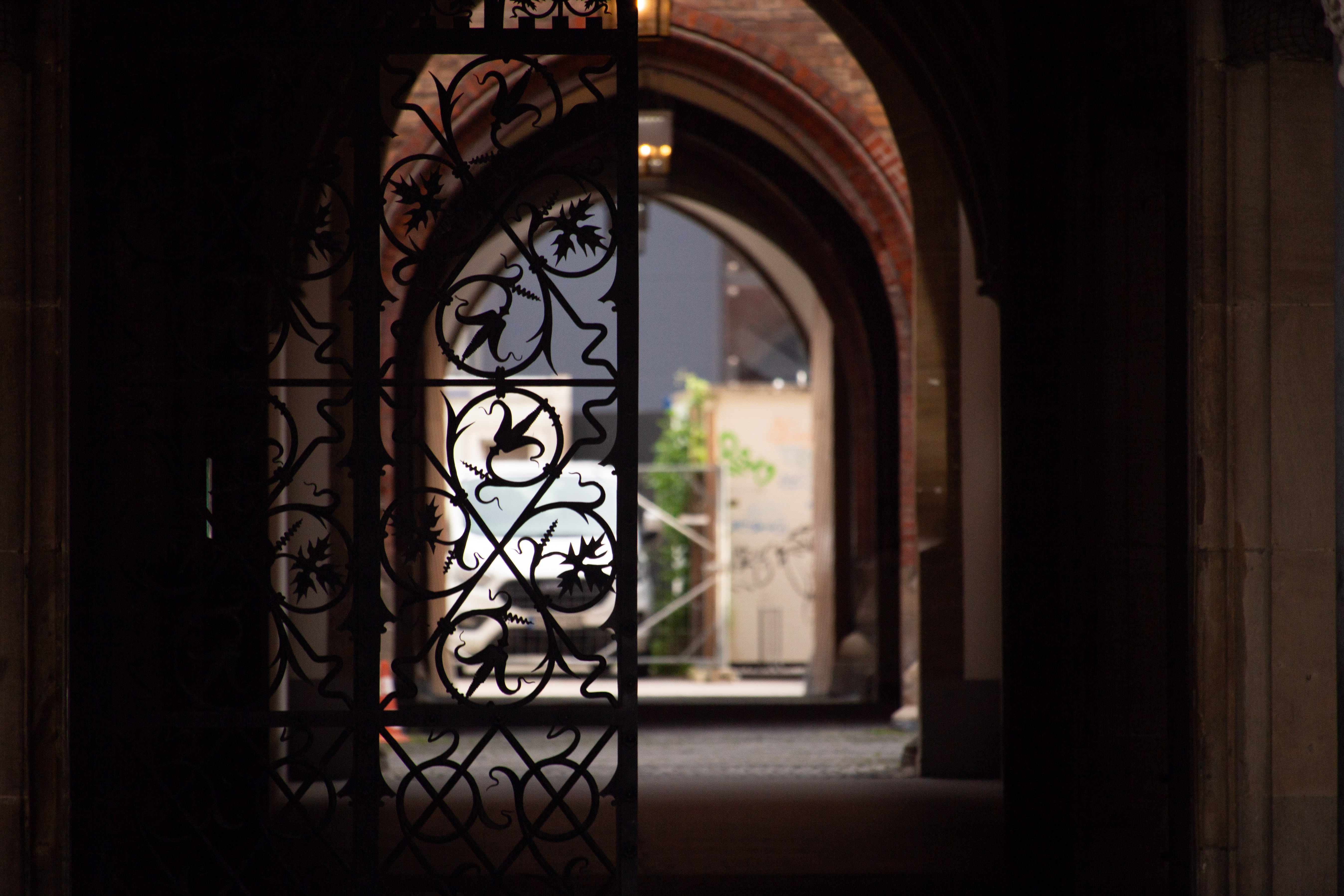
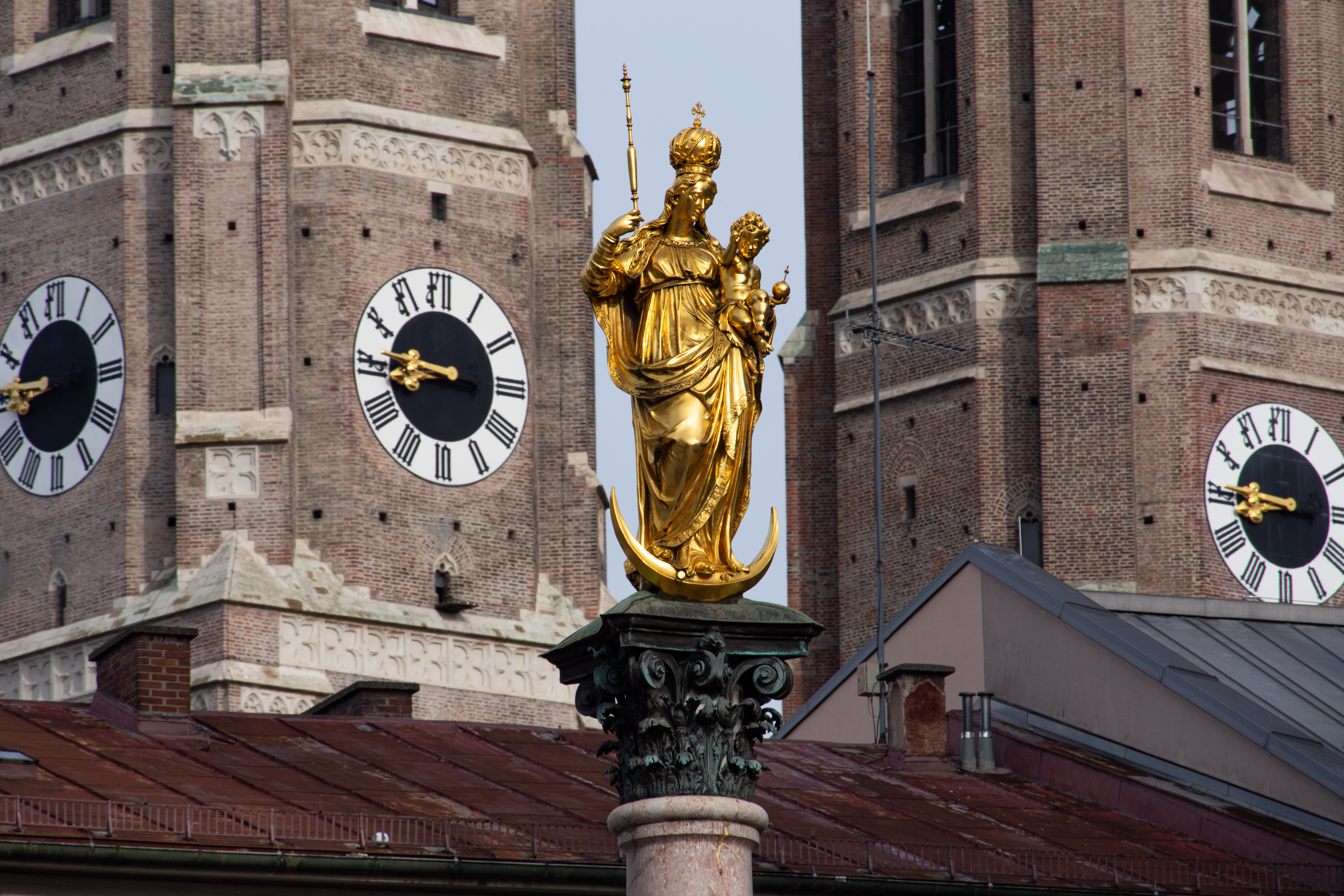
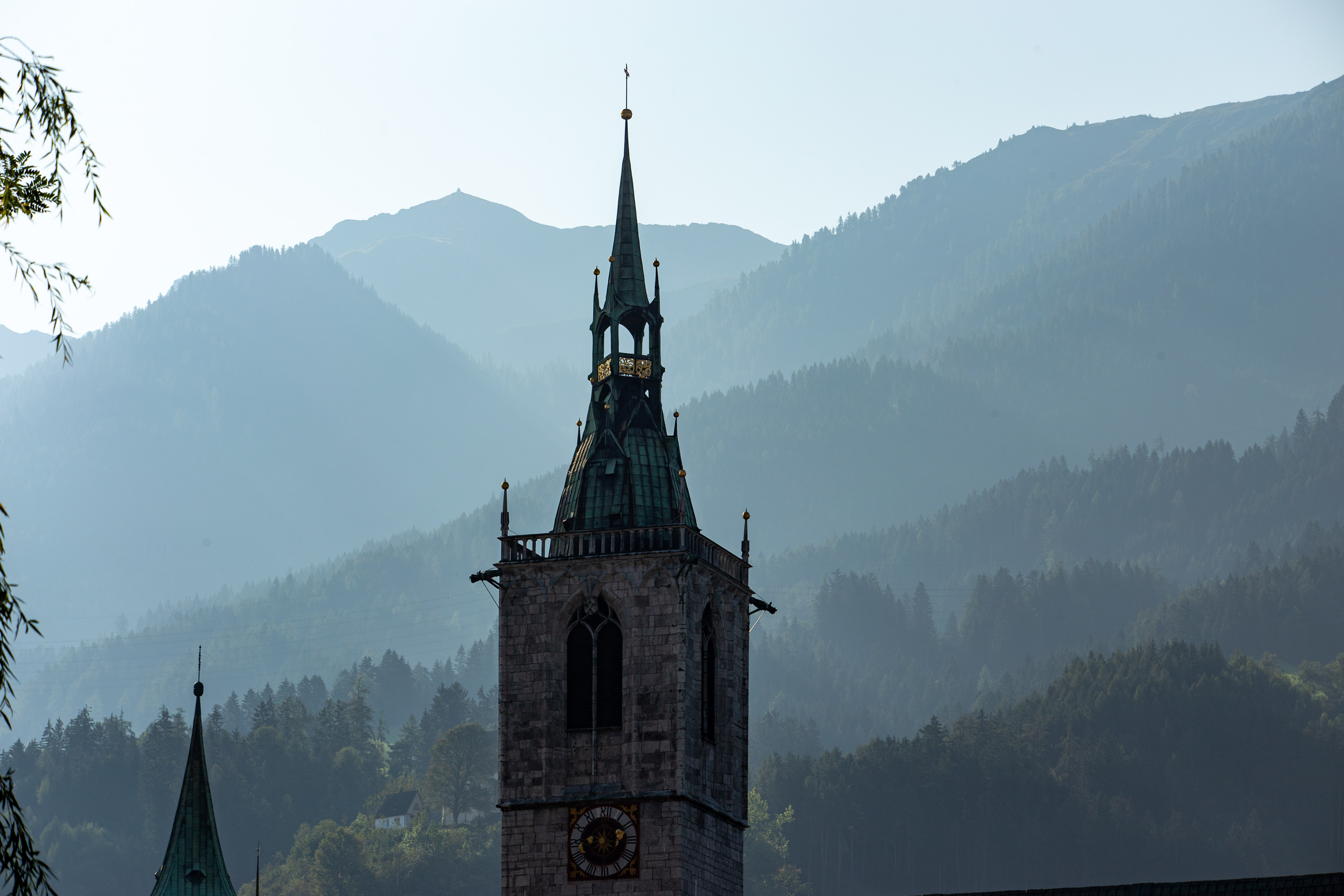
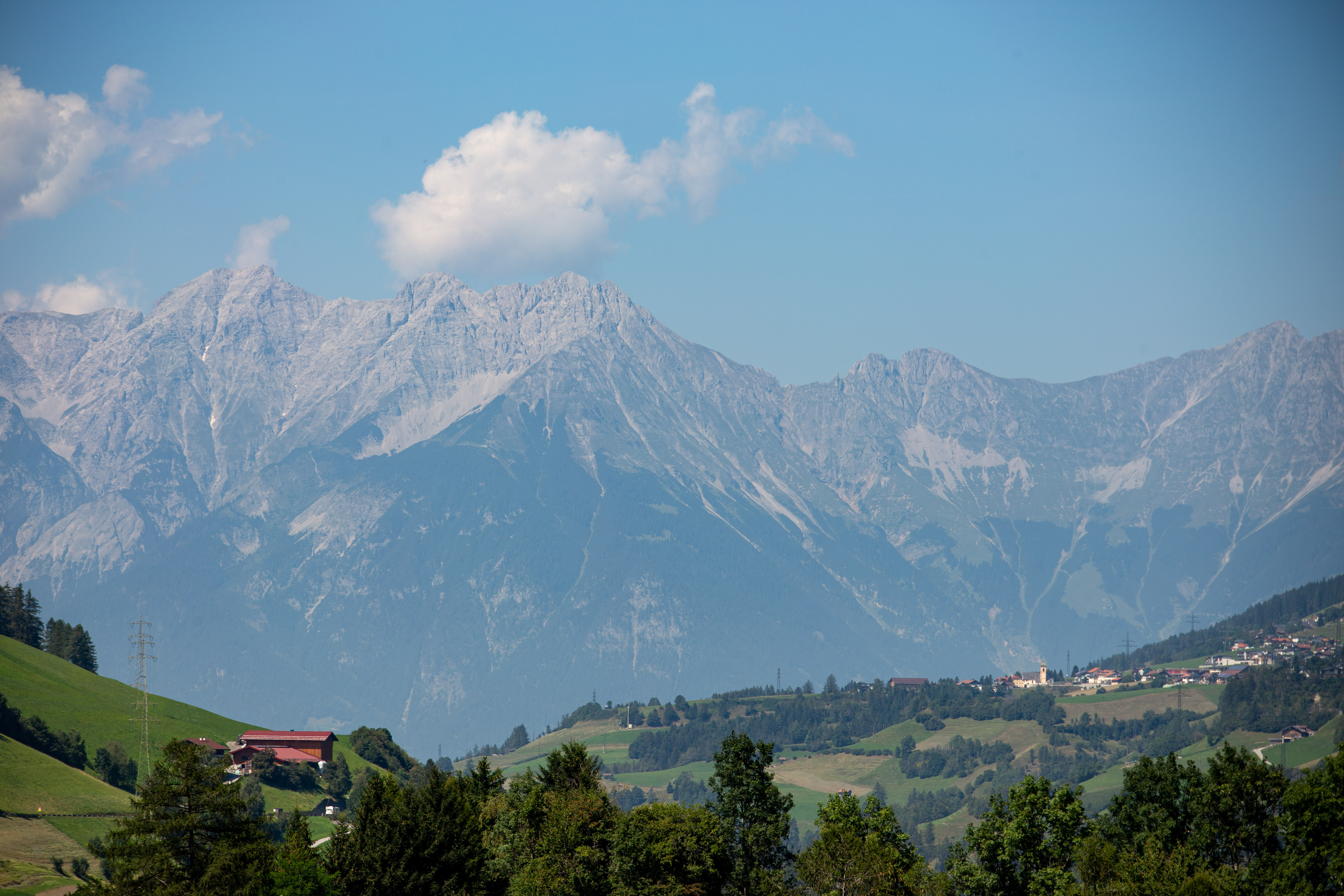
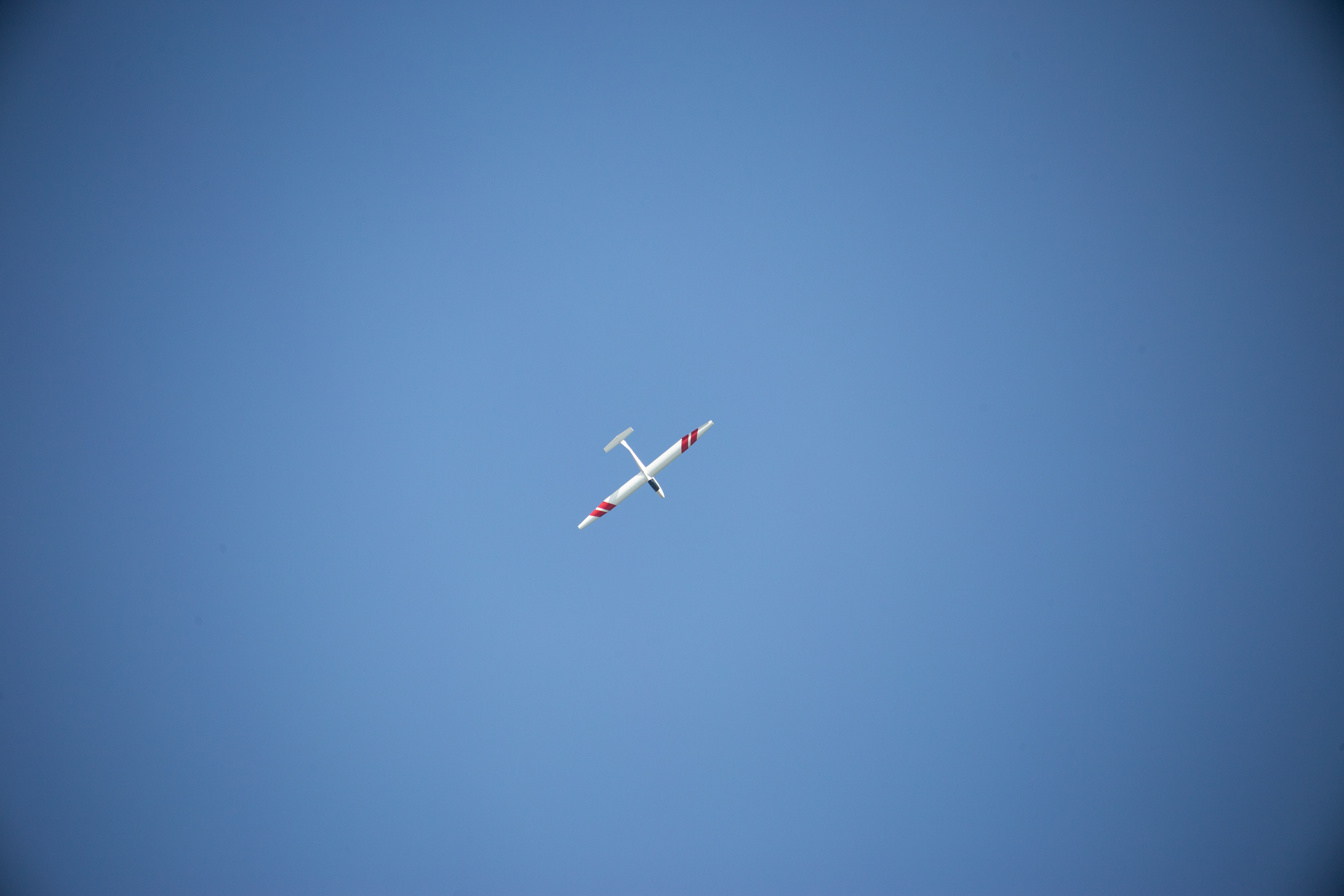
The depth compression it produces can create interesting perspectives in urban scenes.
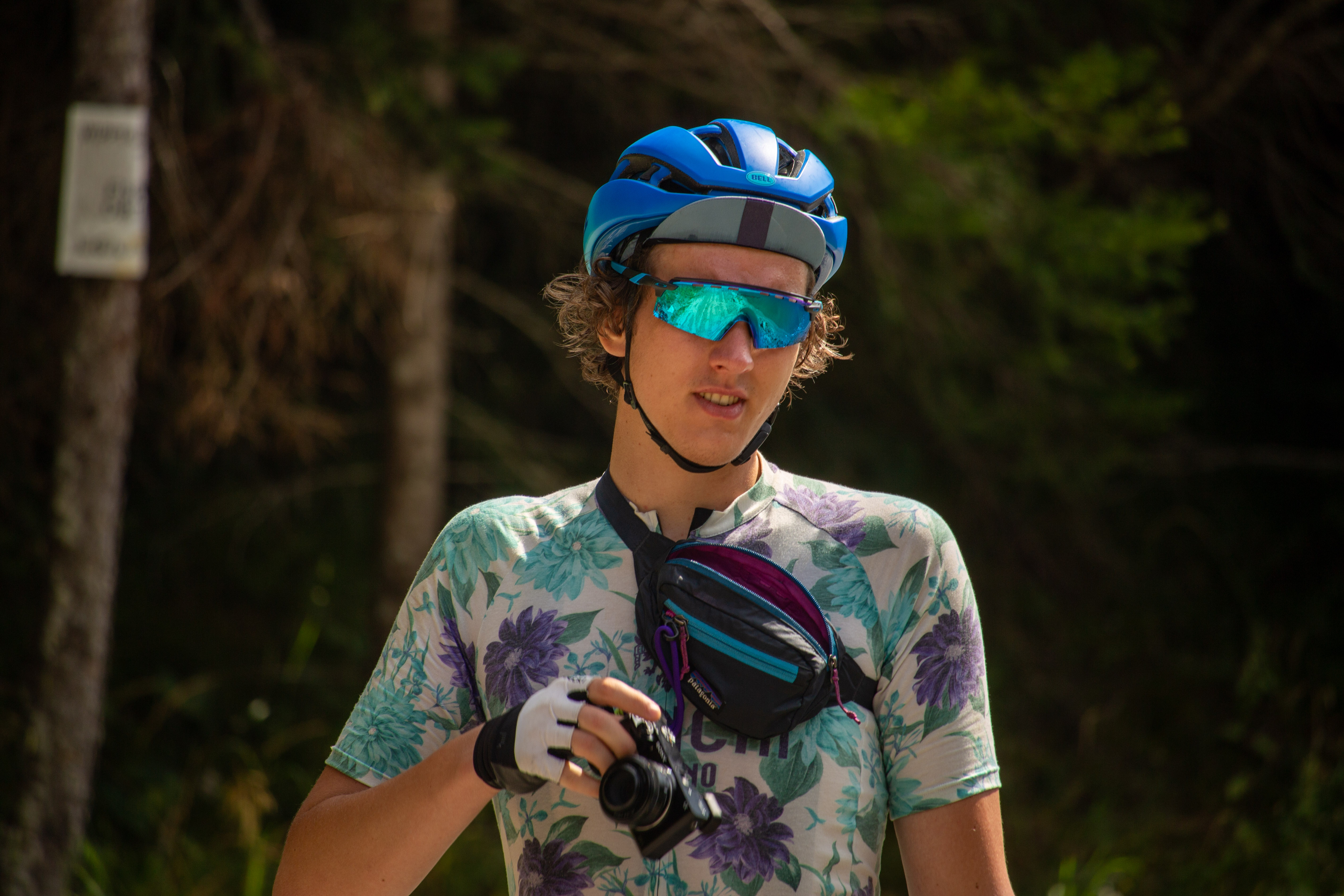
In my opinion, it’s less suitable for portraits. Skin tones and background bokeh are not particularly impressive.
Autofocus accuracy and speed are decent, but nothing outstanding. I haven’t tried shooting active sports with it, most likely getting consistently good results would be difficult.
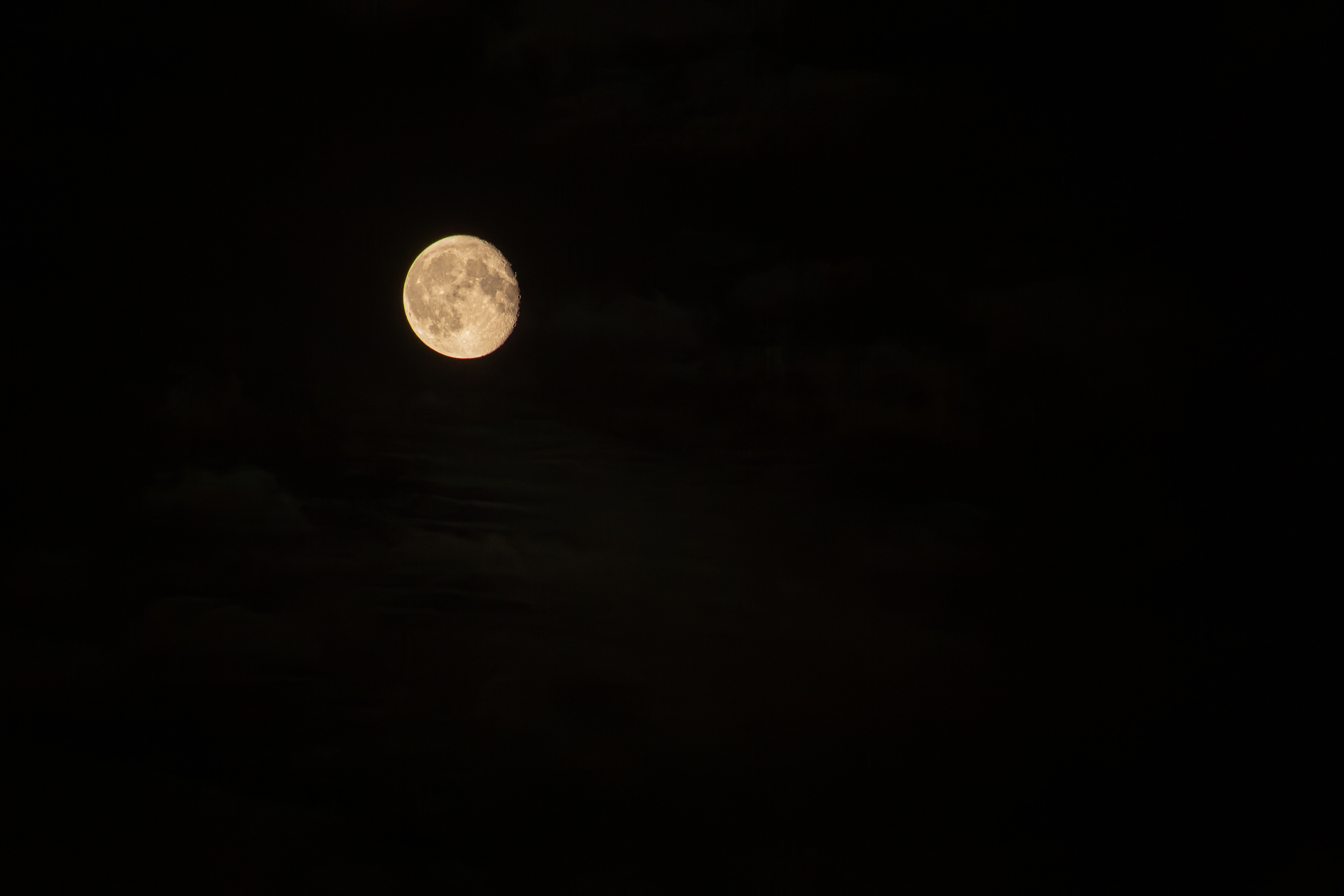
The stabilizer helps a lot, you can hand-hold shots of the night moon at maximum zoom without a tripod.
Among the noticeable drawbacks is quite strong vignetting (especially pronounced on the full-frame version).
The image is somewhat “rough” and dirty-looking, similar to what you get from kit lenses. Not great for portraits.
On Full Frame
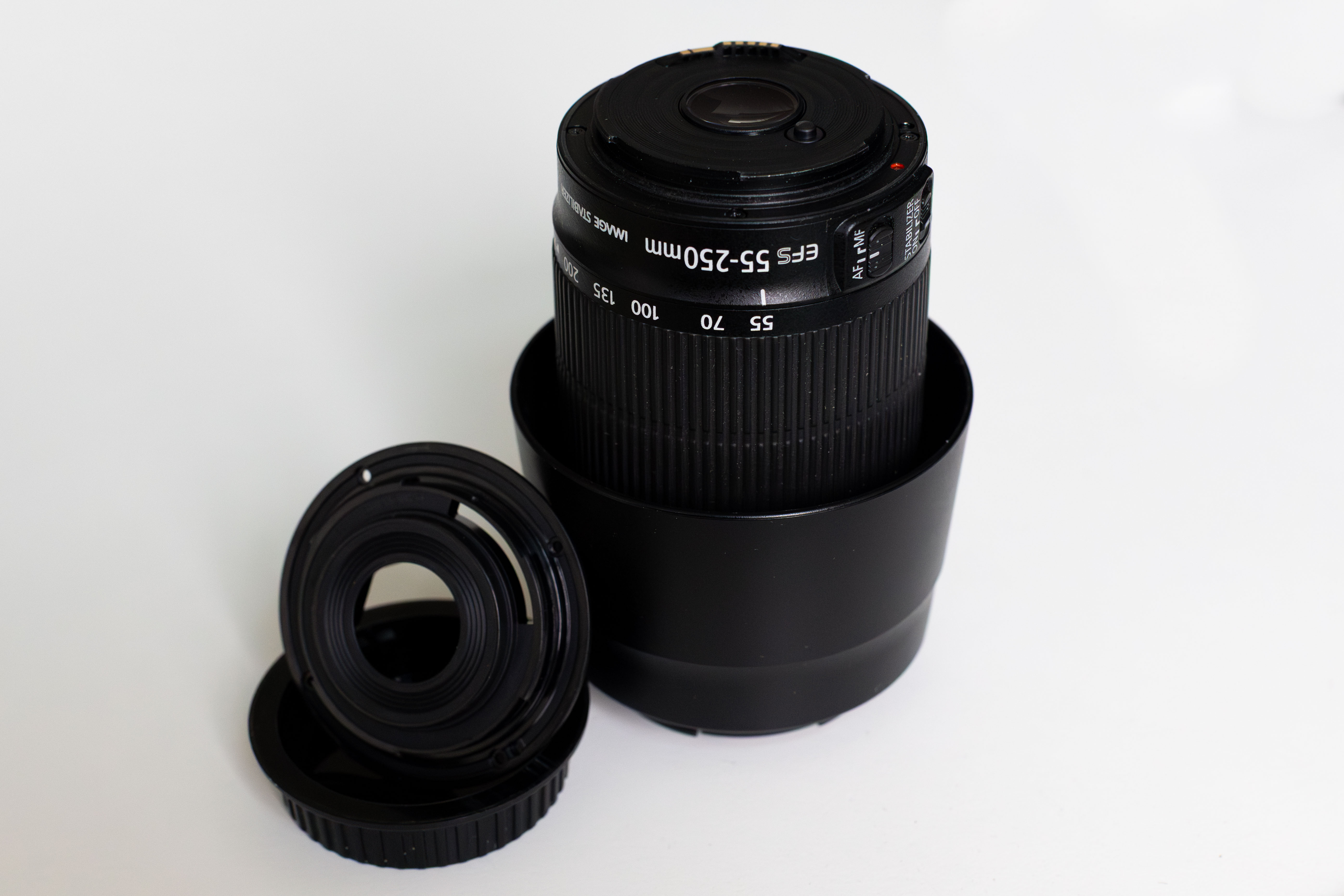
EF lenses are compatible with both EF and EF-S (crop) cameras, but EF-S lenses are structurally incompatible with EF (full-frame) cameras. The rear part of an EF-S lens requires more depth and therefore does not fit into the EF mount.
This was how Canon implemented a marketing-technical strategy to push users toward the more expensive (and higher-quality) full-frame segment.
The optical issue when using EF-S lenses on full frame is insufficient image circle coverage and/or a drop in sharpness toward the edges of the larger sensor. This can manifest as black circular bands in the areas outside the central part of the frame.
For some lenses, including the one under discussion, there are unofficial rear mounts available that allow attachment to EF cameras. The cost of the modification is about €30 + possible loss of warranty.
The risk of damaging the lens is minimal — you just need to unscrew 4 small screws, remove the original plastic cover, install the new metal one, and screw the 4 screws back in. If desired, the original cover can be reinstalled with the same procedure, but there’s usually little point in doing so, since after the modification the lens works on both EF and EF-S cameras.
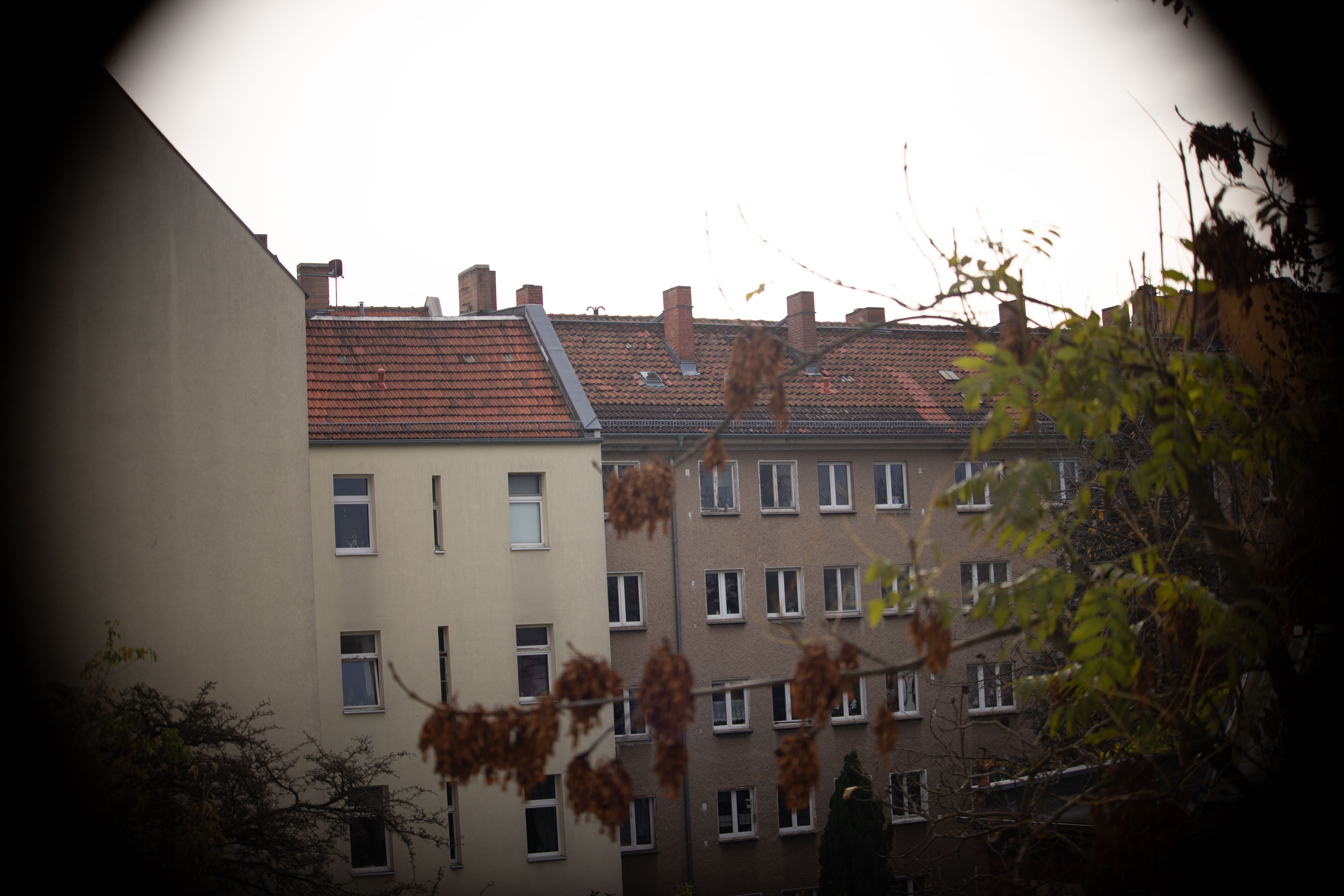
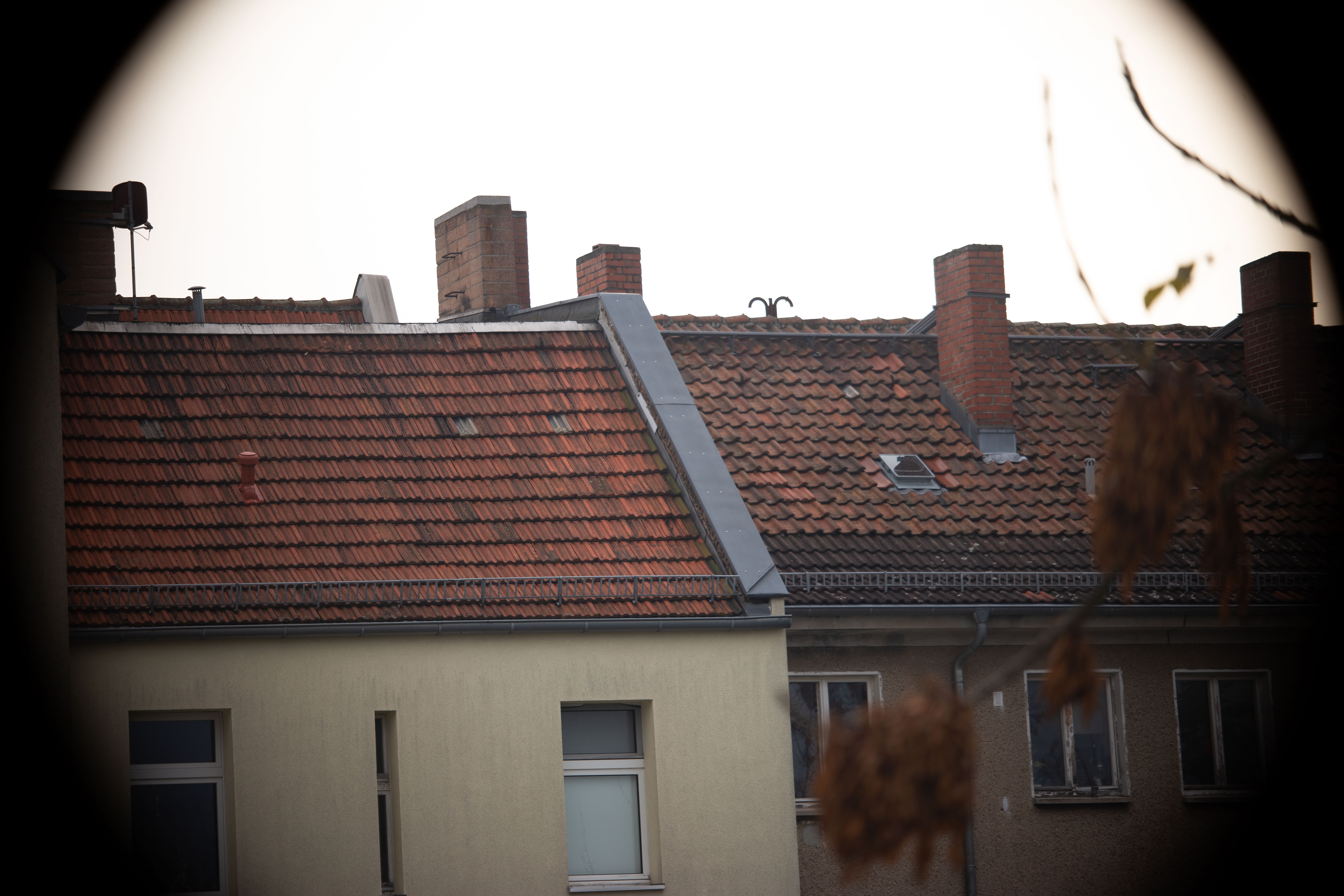
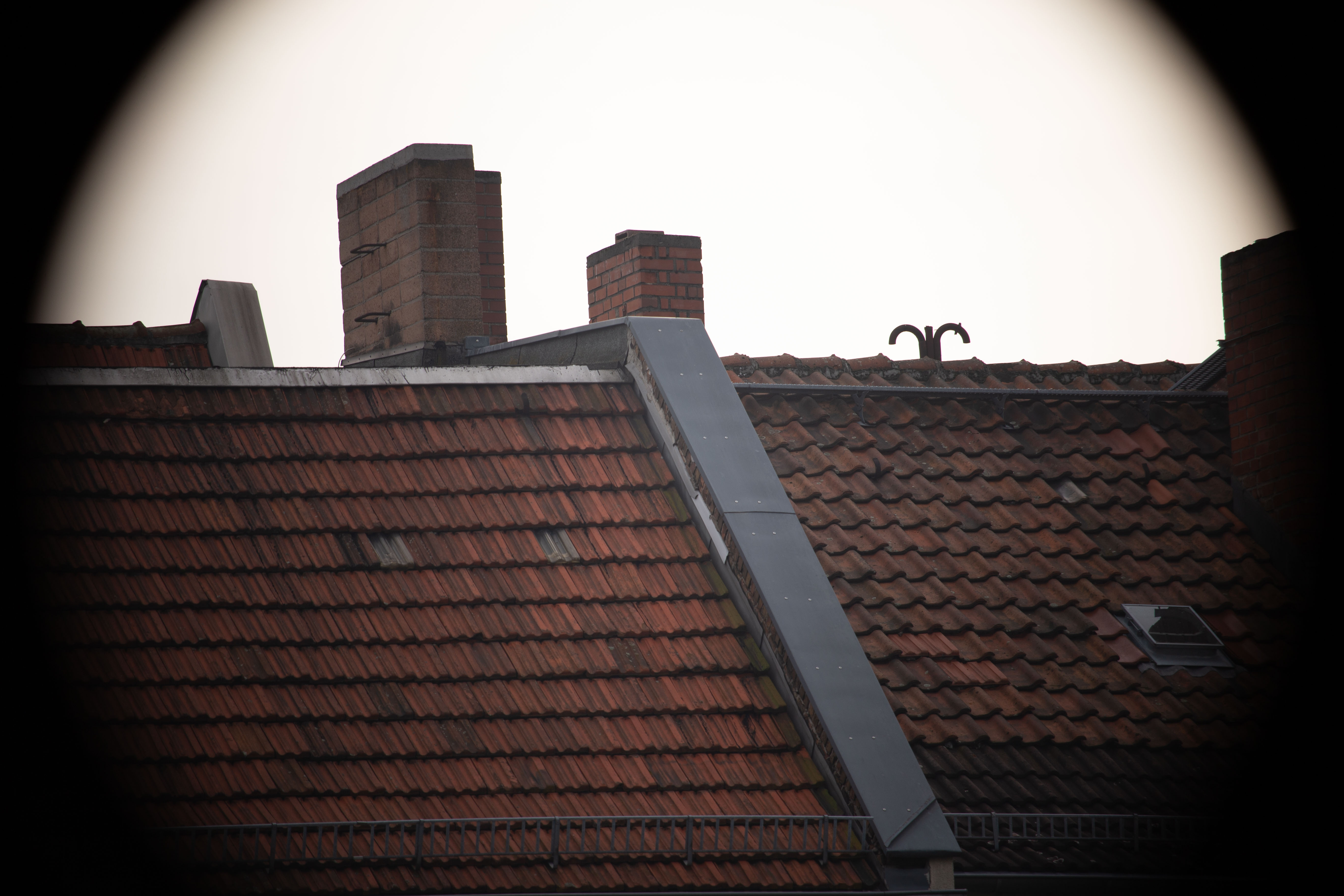
A dark circle on a black background is also observed with the Canon 55-250mm. It can be eliminated by using a teleconverter.
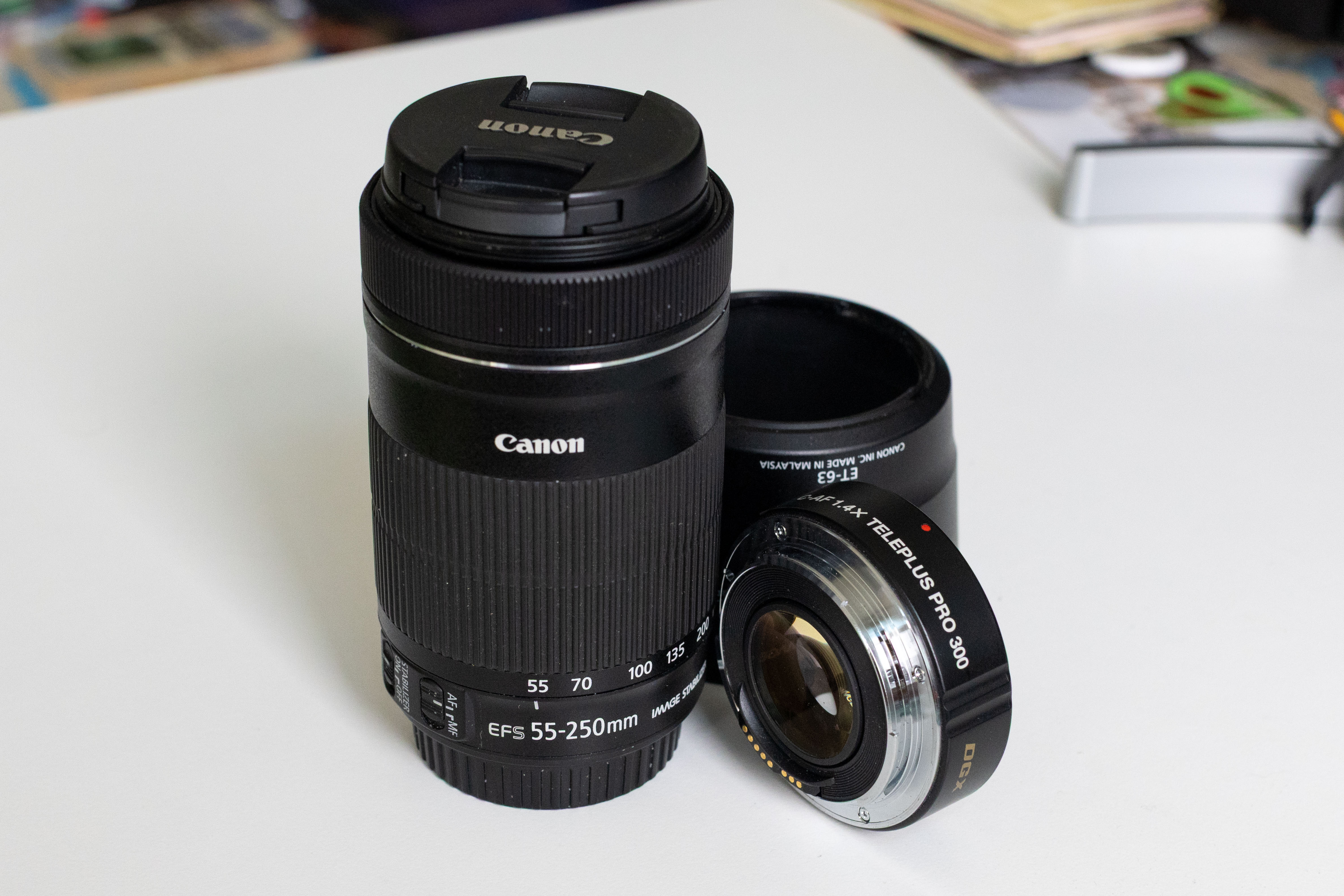
Canon’s own teleconverters are not suitable because of their protruding front optical element, but a third-party Kenko C-AF 1.4× TELEPLUS PRO 300 (which can be found for €50–70) does a satisfactory job of covering the full frame with a 1.6× crop-factor lens, at the cost of one stop of light.
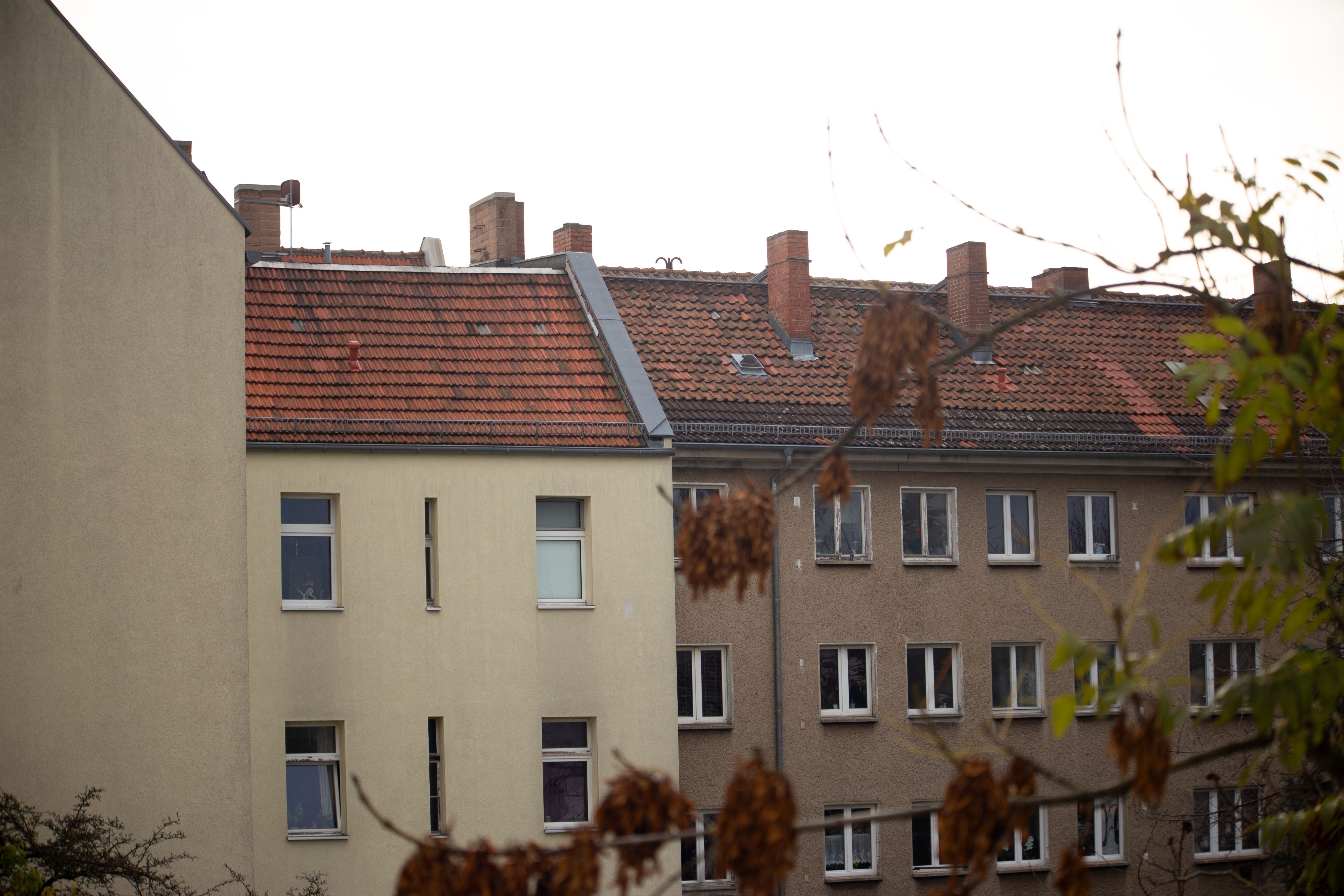
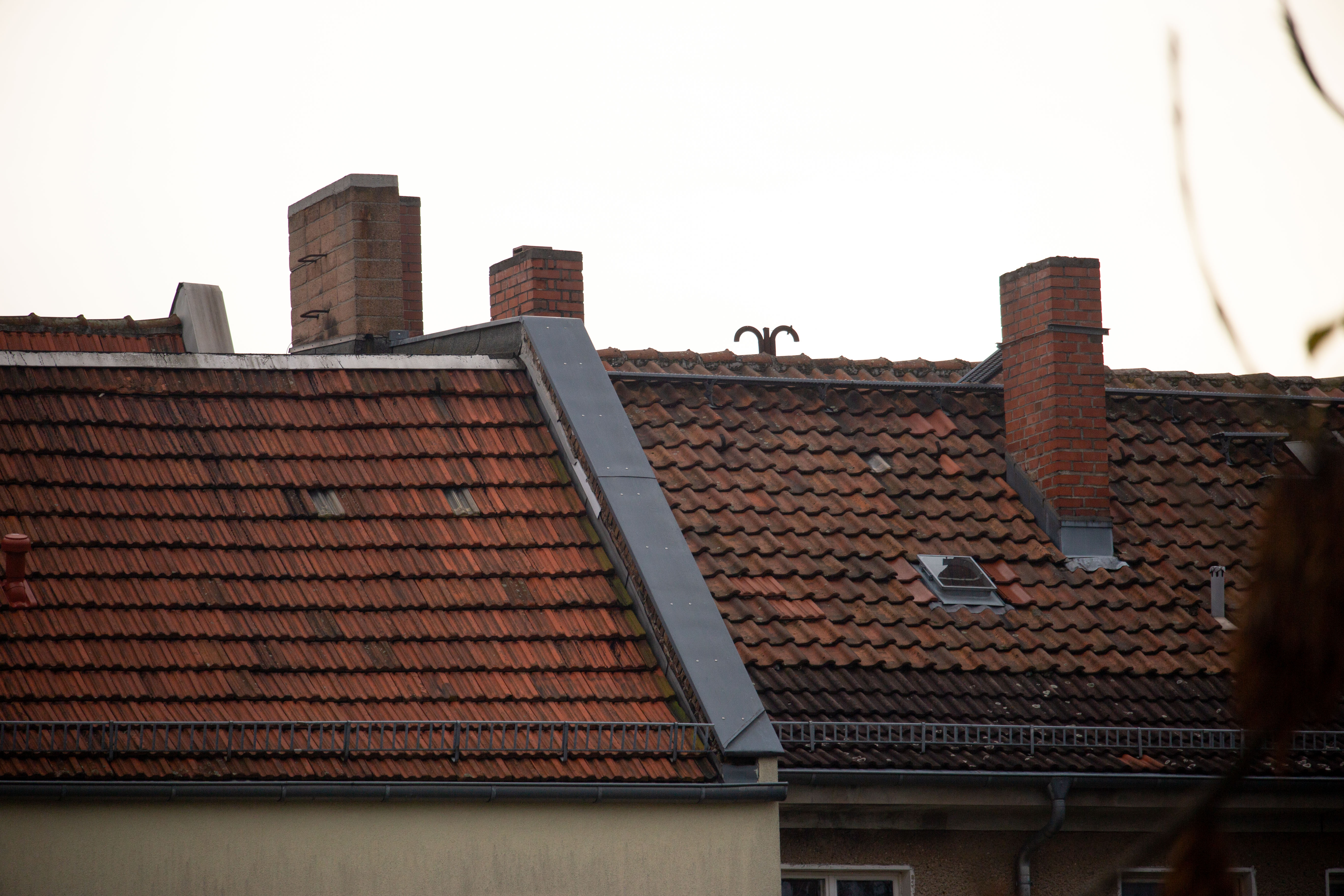
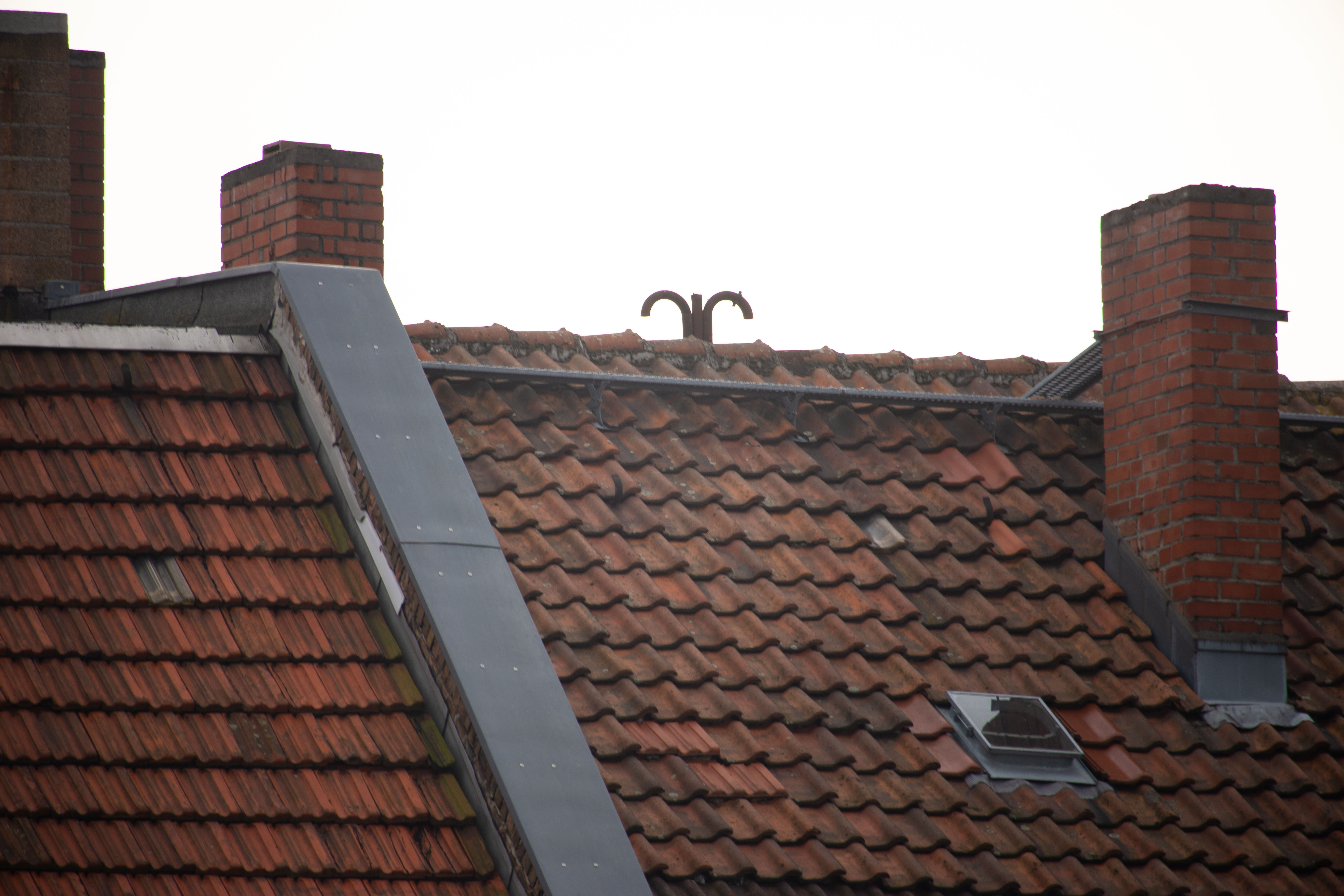
Thus, the 55-250mm f/4-5.6 effectively becomes a 77-350mm f/5.6-8 on full frame. 🧙
The Canon 6D has a very good center AF point with -3 EV sensitivity, so it can still focus effectively even at f/8.
For example, the Canon 5D Mark II / III have lower center-point sensitivity and may struggle to focus. The tiny crop-sensor Canon Kiss X7 (100D) actually hangs completely (until the battery is removed) when this lens is attached with the Kenko teleconverter, there are no issues when using the lens directly. So the described setup may not work reliably outside of the specific 6D + Kenko 1.4× combination.
On Mirrorless Cameras
Unfortunately, on a mirrorless system this lens becomes much less interesting.
It connects without any modifications to both RF (full-frame) and RF-S (crop) cameras via a standard or third-party EF-RF adapter. However, when used on a full-frame camera, the system automatically switches to forced crop mode, and this mode cannot be disabled while still retaining the lens’s useful characteristics.
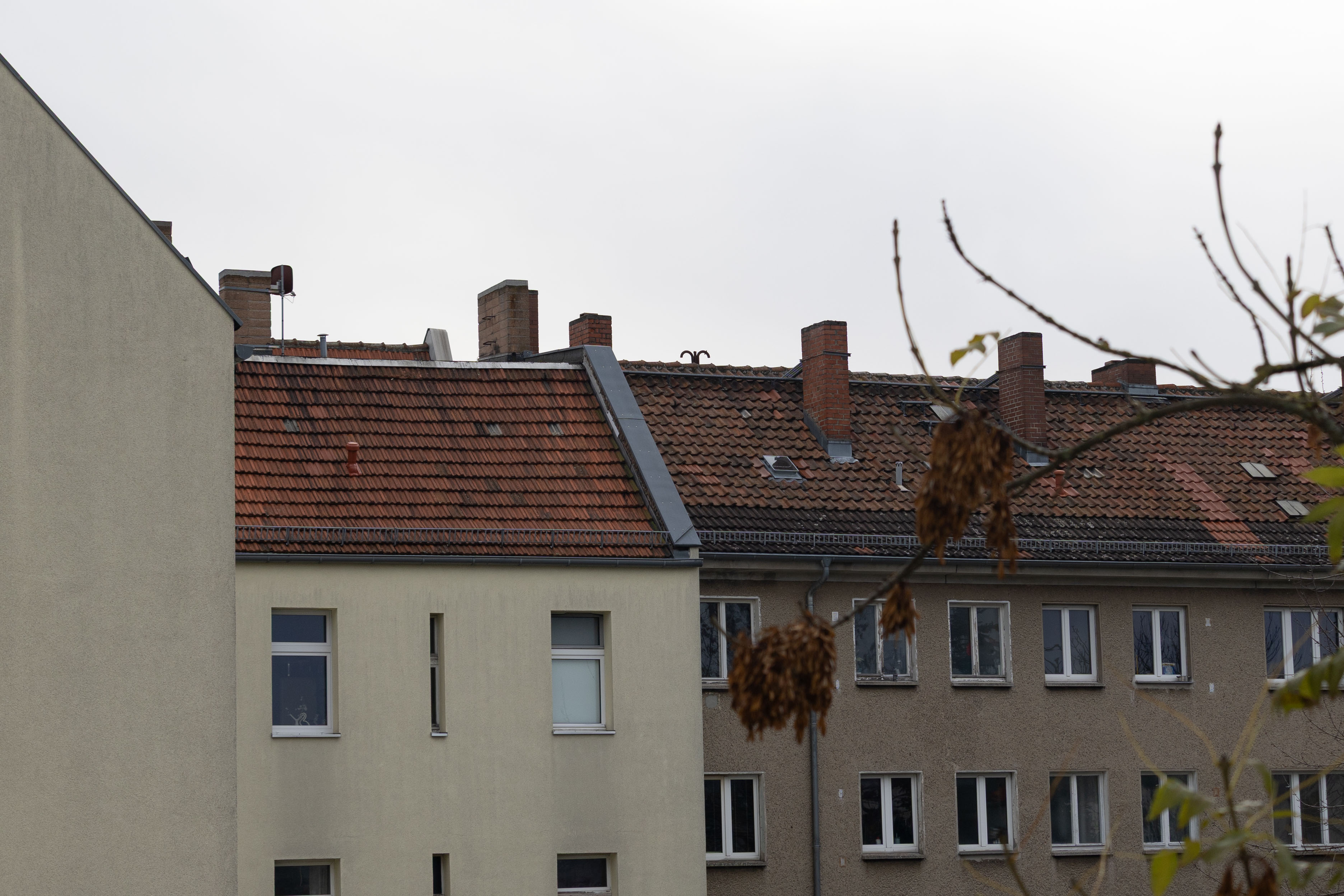
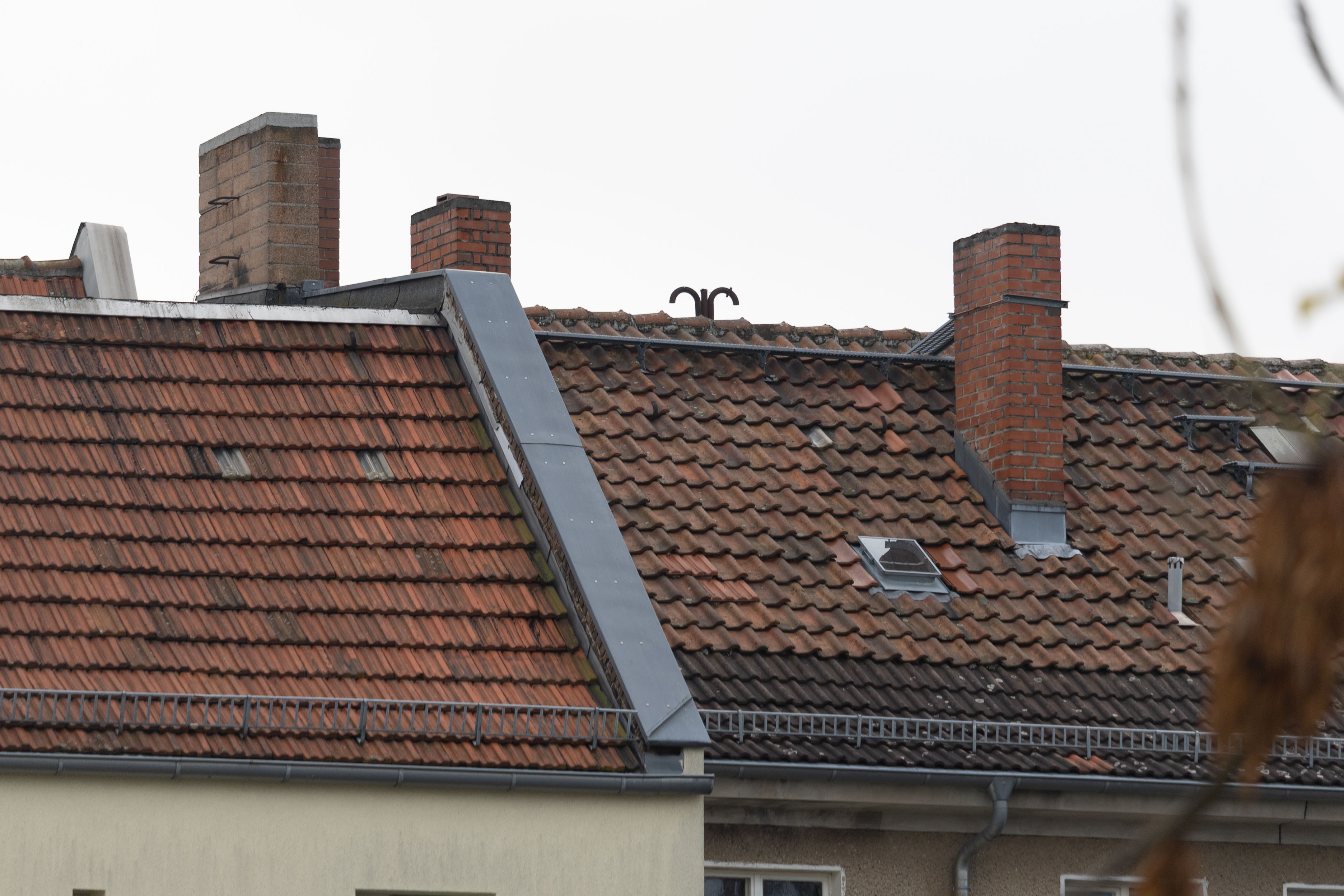
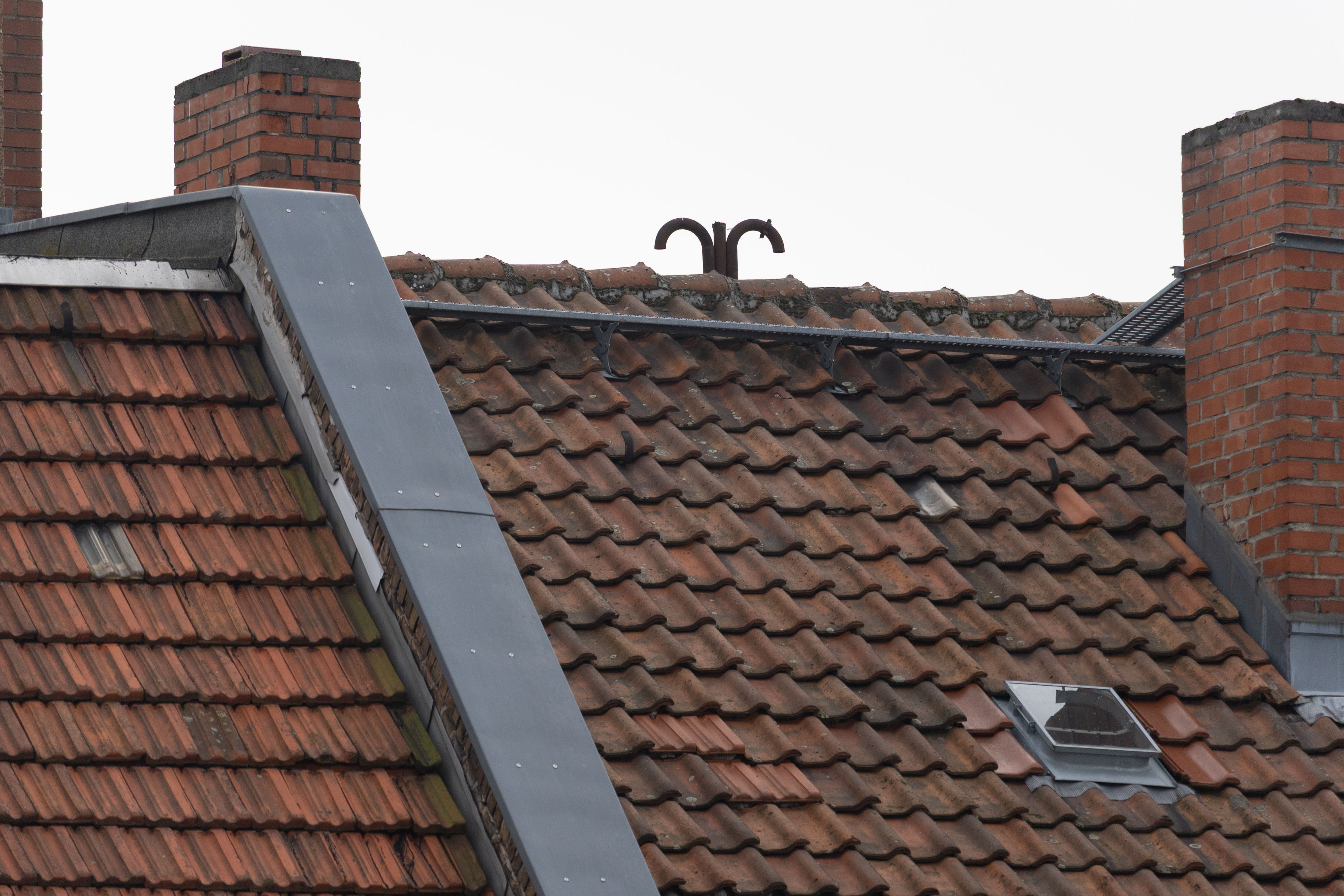
Even when the lens is connected via a teleconverter, a full-frame camera will still crop the edges. For example, the Canon R8, with its 24-megapixel sensor, will use only the central ~9 megapixels — extremely unfortunate.
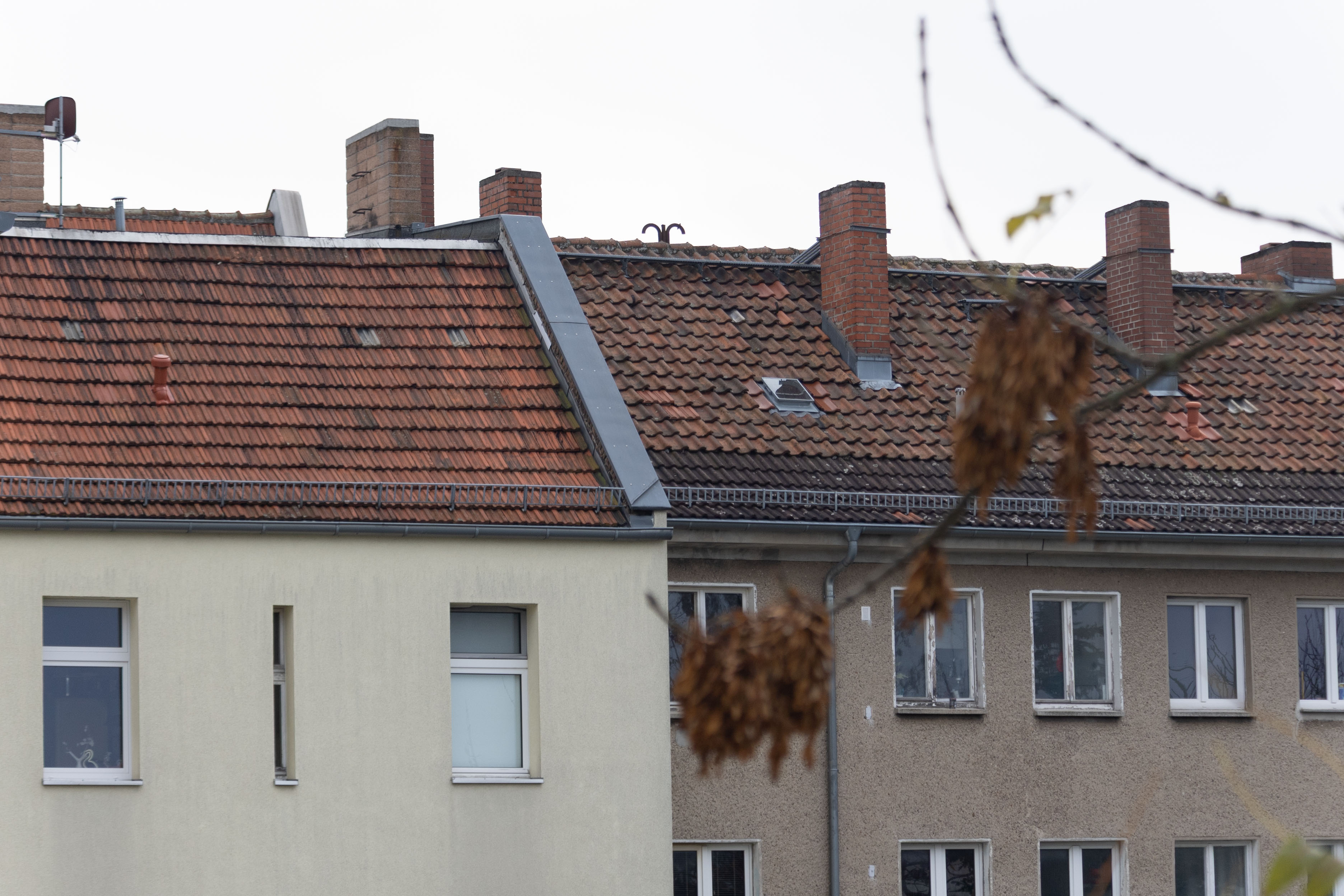
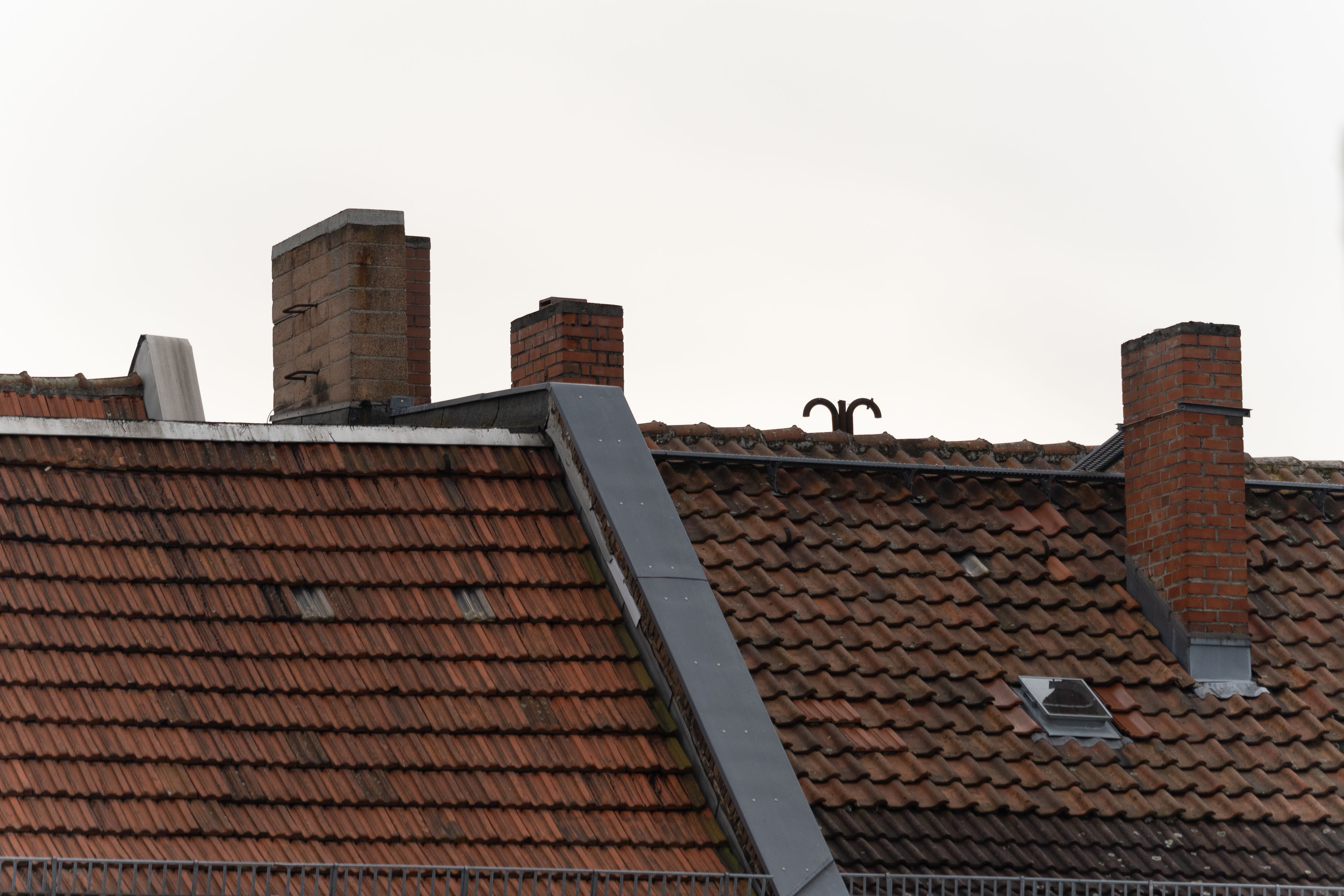
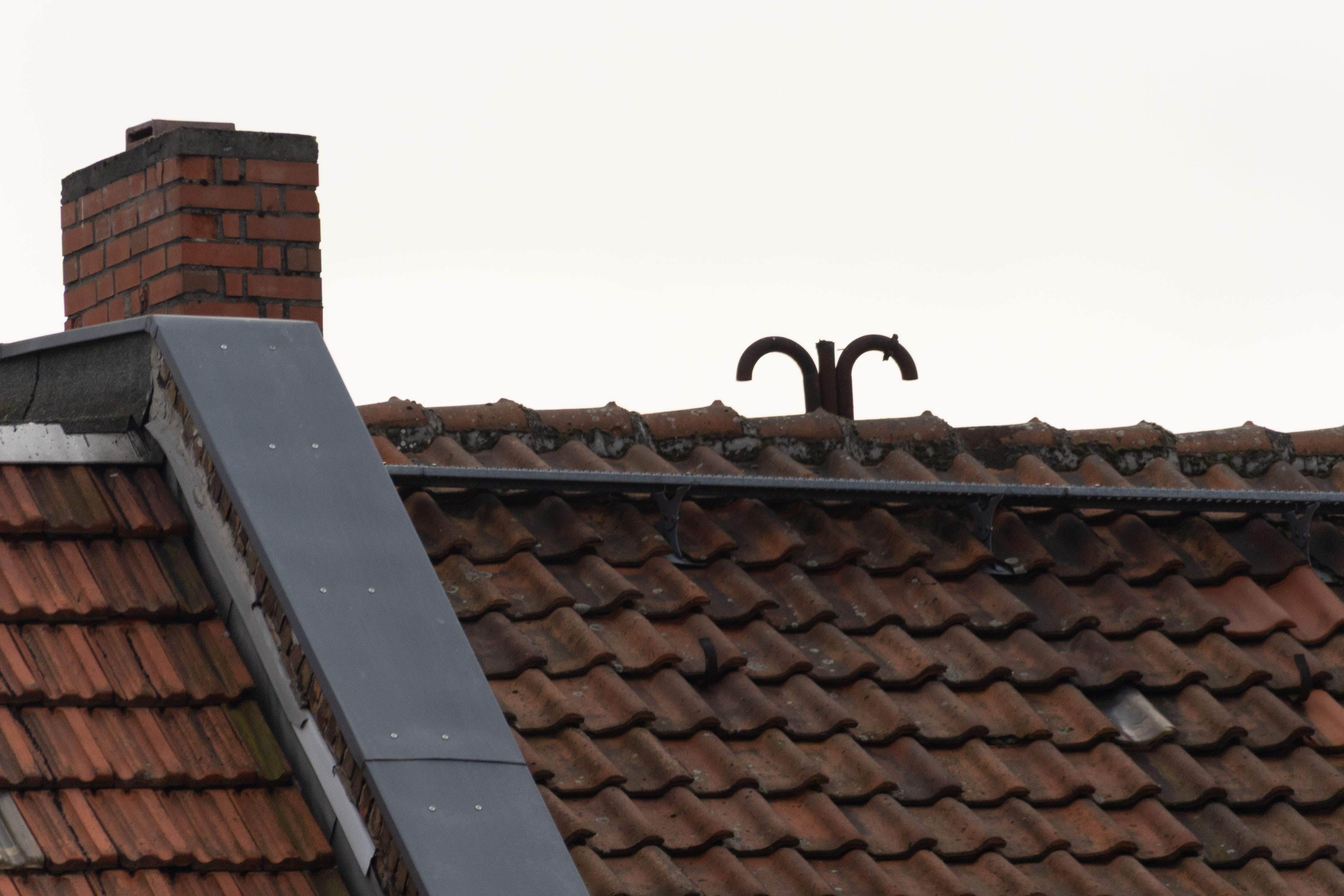
The "solution" to this problem is to block the electrical contacts before shooting, this can be done by slightly turning the lens in the direction of removing it from the bayonet.
This workaround is quite dubious, because it not only slows down the shooting process but also disables the image stabilizer. However, the shutter speed and aperture remain at the values they had at the moment you unscrewed it, so it is still possible to capture the desired frame.
Since I switched to the Canon R8 as my main camera, the Canon 55-250mm has hardly been used, precisely because of the forced crop mode. Even though I own the Canon EF 70-200mm f/4L IS, in some situations I would still prefer a more compact solution.
On RF-S cameras, there is no issue with loss of resolution, the entire sensor is used in normal shooting mode. However, RF-S cameras themselves are far less appealing, regardless of the lenses used.
Sample Photos